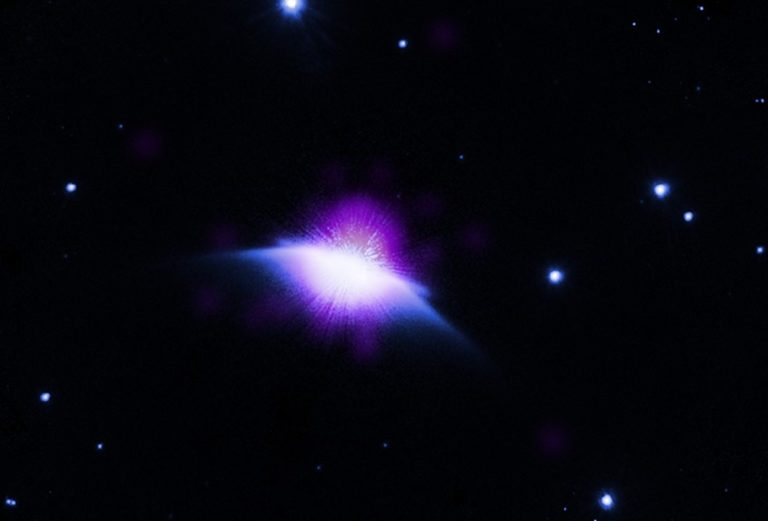
Astronomers Have Discovered an Upside-Down Planetary System

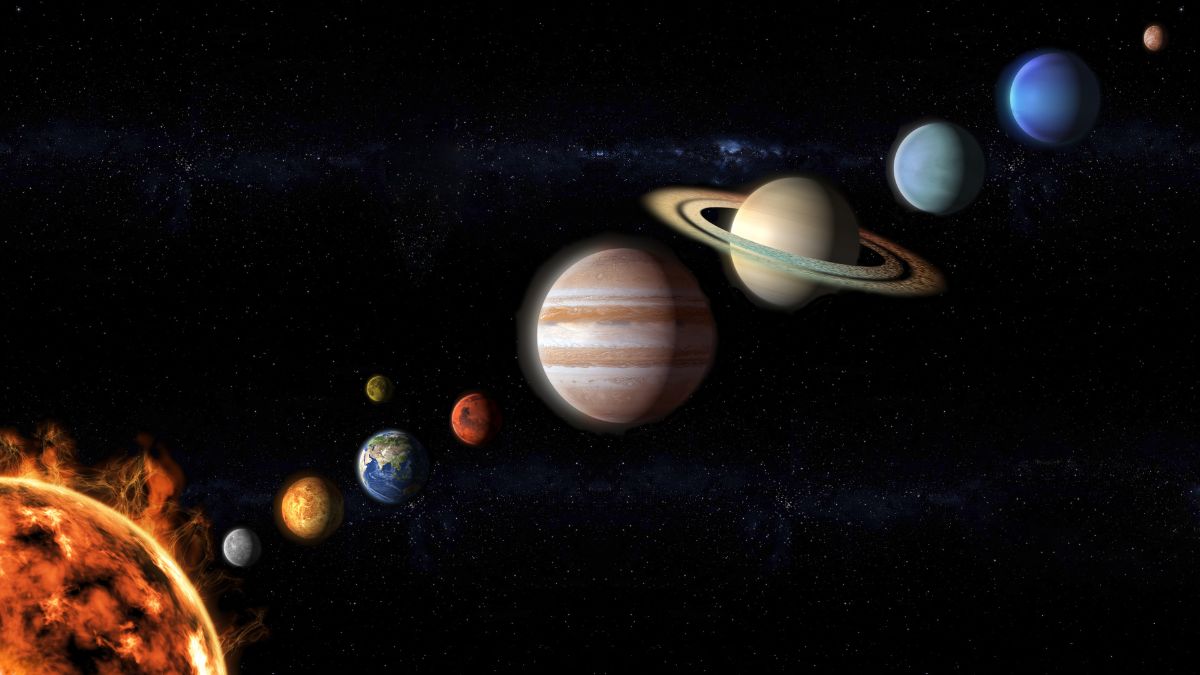
An international team of astronomers has uncovered a planetary system around the red dwarf star LHS 1903 that flips traditional ideas about how planets form. Located about 116 light-years away, this system hosts four planets in an unexpected arrangement. Instead of rocky worlds close to the star and gas giants farther out like in our Solar System, the setup here starts with a rocky super-Earth nearest the star, followed by two gaseous sub-Neptune planets, and ends with another small rocky planet at the outer edge.
The discovery relied on data from NASA’s Transiting Exoplanet Survey Satellite, which first spotted three of the planets. The European Space Agency’s CHEOPS telescope then confirmed the fourth one, revealing its surprising rocky nature despite orbiting farthest from the star. Dr. Thomas Wilson from the University of Warwick led the study, with contributions from Maximilian Günther at ESA and other collaborators. Their findings appeared in the journal Science, highlighting how this configuration challenges long-held assumptions.
In most planetary systems, heat from the young star drives away gases near the center, leaving solid rocky cores, while colder outer regions allow massive gas envelopes to build up. This system suggests a different story. Planets may have formed sequentially from the inside out, with each inner world consuming available dust and gas before the next could form. By the time material reached the outer parts, little gas remained, forcing the outermost planet to stay small and rocky.
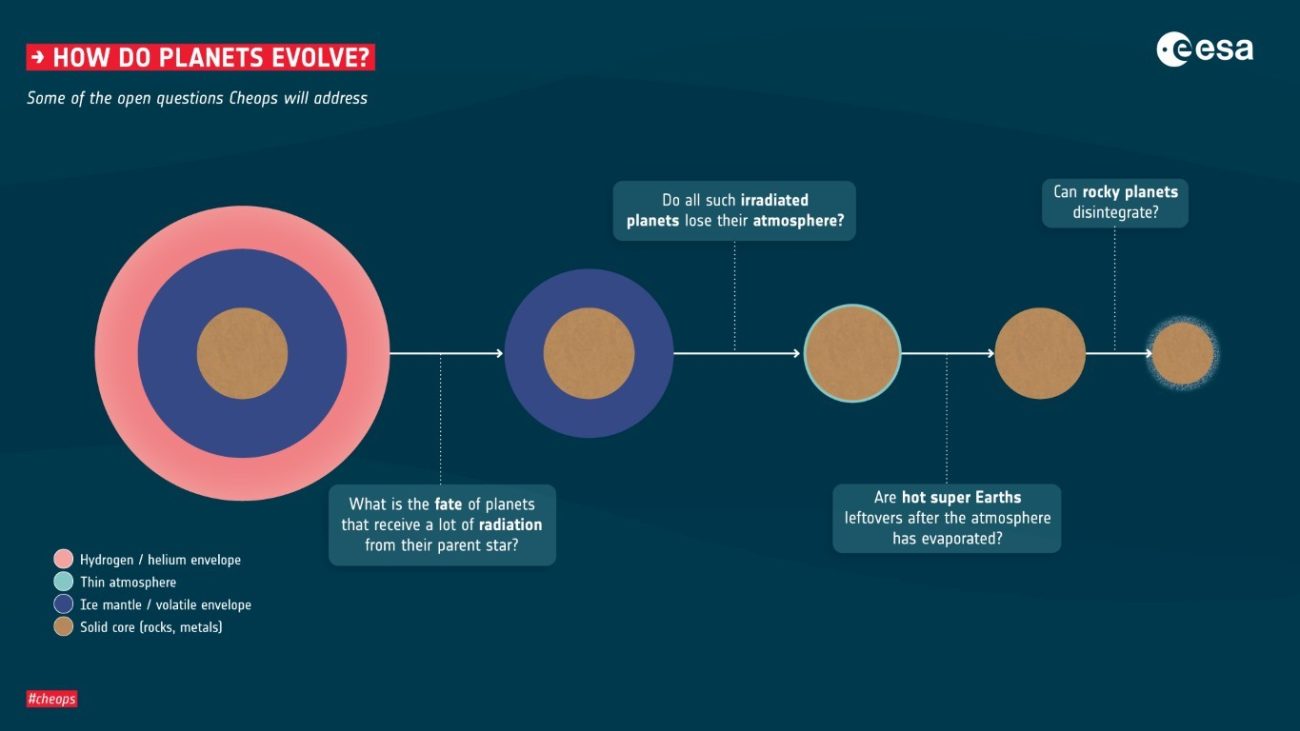
Such sequential formation would explain why the distant planet lacks the resources for a thick atmosphere. The red dwarf LHS 1903 is faint and cool, creating conditions where this inside-out process could occur more readily than around hotter stars. This outlier adds to a growing list of unusual exoplanet systems uncovered by advanced instruments, pushing scientists to rethink universal rules based mainly on our own neighborhood.
The arrangement prompts fresh questions about the diversity of planet-building mechanisms across the galaxy. It shows the cosmos can produce outcomes far more varied than earlier models predicted. As telescopes improve, more of these odd configurations will likely emerge, refining our understanding of cosmic creativity.
What do you think about this inside-out planetary system—does it change how you view planet formation? Share your thoughts in the comments.