Apple Launches iPhone 17 Series with Under-Display Face ID

Apple introduces the iPhone 17 lineup, featuring under-display Face ID across all models for the first time, eliminating the notch and Dynamic Island for seamless edge-to-edge screens. The base iPhone 17 and iPhone 17 Air sport 6.1-inch and 6.3-inch LTPO OLED displays with 120Hz ProMotion refresh rates, while the Pro and Pro Max variants scale to 6.3 and 6.9 inches with enhanced anti-reflective coatings. This hardware shift prioritizes immersive viewing in a market where foldables and AR glasses challenge traditional slab phones, forcing Apple to accelerate biometric integration.
The under-display Face ID system employs a redesigned TrueDepth camera array embedded beneath the screen, using micro-lenses and diffractive optics to project 30,000 infrared dots for 3D facial mapping without visible protrusions. Processing occurs via the A19 chip’s dedicated neural engine, delivering authentication speeds under 0.5 seconds even in low light, with support for mask and glasses wearing through adaptive algorithms. Battery life improves by 15% through second-generation stacked battery cells, offering up to 28 hours of video playback on the Pro Max, compared to 24 hours on the iPhone 16 equivalent.
Pricing starts at $799 for the iPhone 17, $899 for the Air, $1,099 for the Pro, and $1,199 for the Pro Max, with pre-orders opening September 20 and shipments beginning September 27. Storage options range from 128GB to 2TB, with all models supporting 50W MagSafe wireless charging and USB-C ports compliant with EU mandates. The series runs iOS 19 at launch, incorporating Apple Intelligence features like on-device image generation and contextual Siri enhancements, though full rollout phases through 2026.
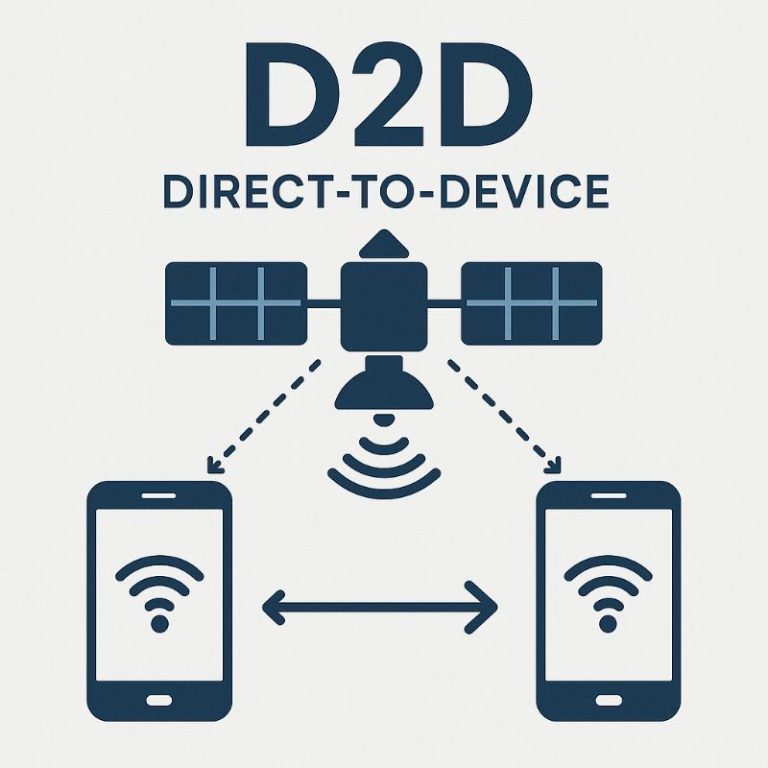
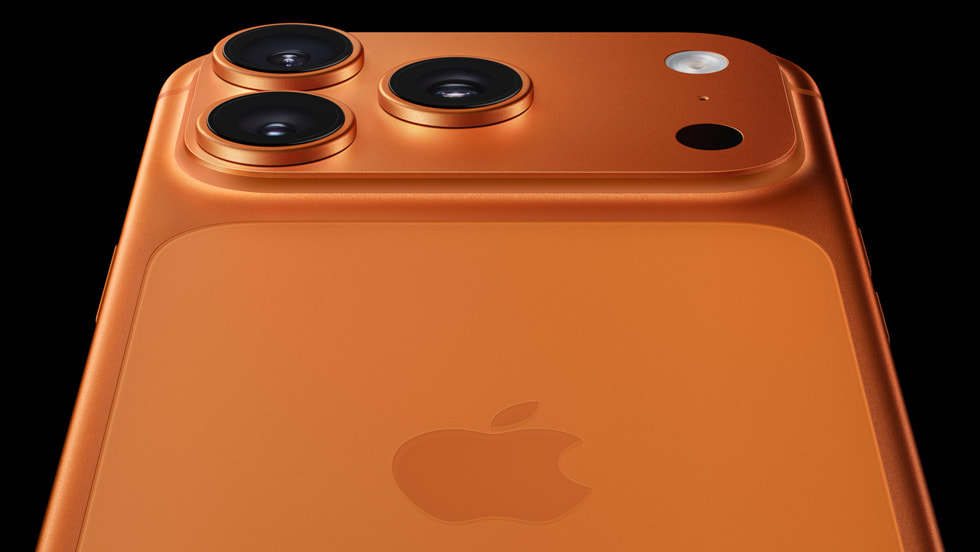
Camera upgrades include a 48MP triple-lens setup on Pro models with variable aperture for low-light performance up to ISO 102,400, and a new tetraprism telephoto lens offering 5x optical zoom. The iPhone 17 Air introduces a slimmer 7.4mm profile using titanium-aluminum alloy frames, weighing 145 grams—20% lighter than the iPhone 16—while maintaining IP68 water resistance. Connectivity boosts to Wi-Fi 7 and mmWave 5G, with optional satellite messaging expanded to include group texts and location sharing.
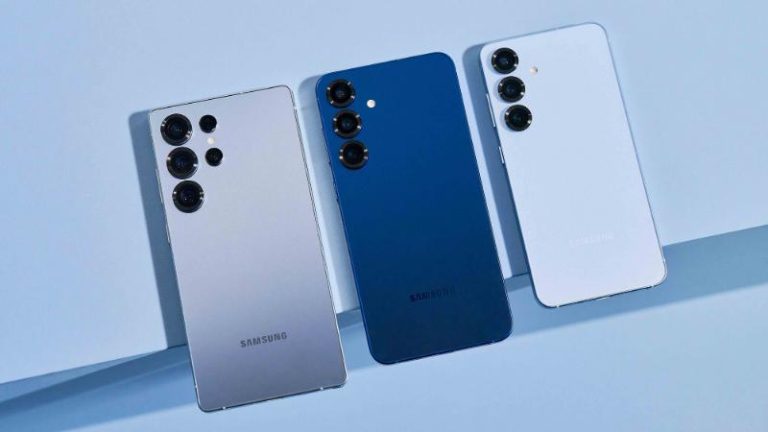
Apple’s supply chain partners, including TSMC for A19 fabrication on 2nm nodes and Samsung for display panels, report yields exceeding 85%, mitigating earlier production delays from geopolitical tensions. The launch coincides with a 12% year-over-year decline in global smartphone shipments, per IDC data, where premium devices hold 25% market share. Competitors like Samsung’s Galaxy S25 and Google’s Pixel 10, both slated for January reveals, incorporate similar under-display tech, intensifying price competition in the $800-plus segment.
For U.S. consumers, carrier deals from Verizon and AT&T offer up to $1,000 trade-in credits, targeting upgrades from iPhone 12 or older models ineligible for Apple Intelligence. Environmental claims highlight 95% recycled rare earth elements in batteries and carbon-neutral shipping via partner fleets. The iPhone 17 series reinforces Apple’s ecosystem lock-in, with seamless integration to AirPods Pro 3 and Apple Watch Series 11 for health metrics like blood oxygen trending.
This iteration addresses user feedback on bezel reduction, drawing from Vision Pro’s micro-OLED expertise to achieve 1.5mm borders. Durability testing shows screens withstanding 2-meter drops onto concrete, per Corning’s Gorilla Glass Victus 3. As 5G matures with 600 million U.S. subscribers, the lineup positions Apple to capture 55% domestic market share, per Counterpoint Research, amid antitrust probes into App Store policies. Future-proofing extends to backward compatibility with MagSafe accessories through 2030.