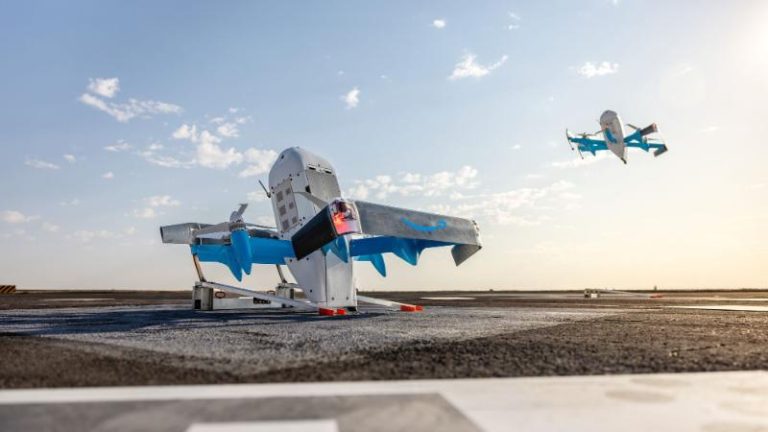
A Team of Student Engineers Creates World’s First Blockchain Black Box for Drones

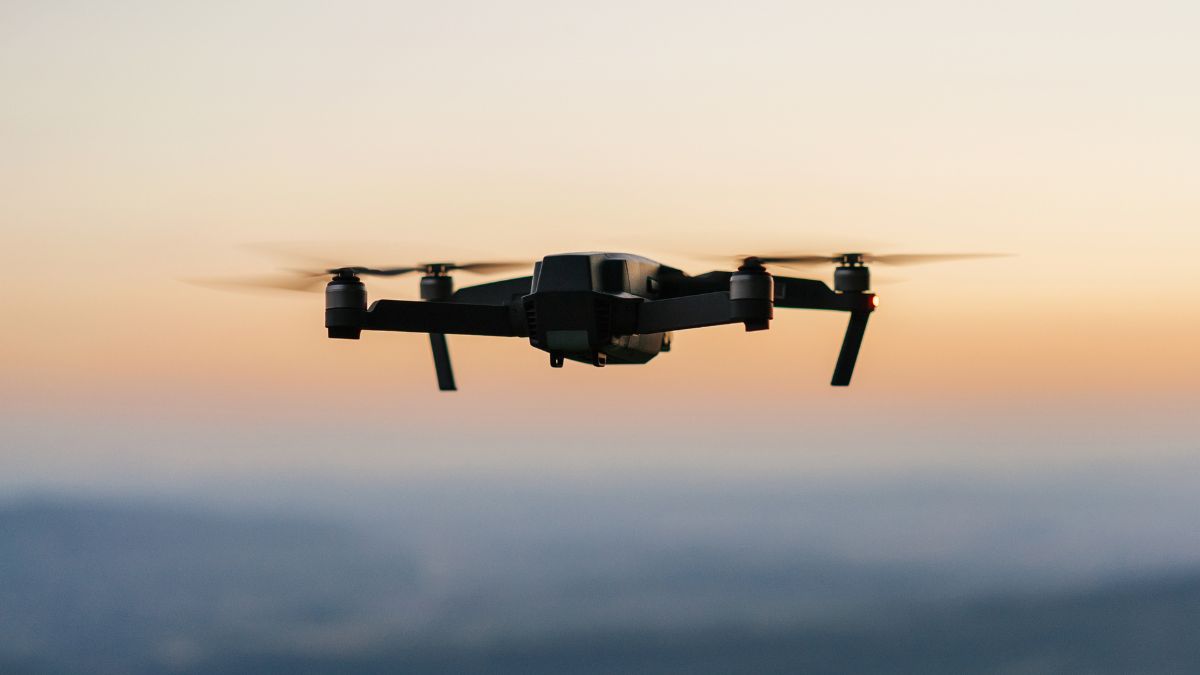
A group of engineering students from the University of Southampton in the United Kingdom has achieved a remarkable breakthrough by developing what appears to be the first blockchain-based black box system for drones. This innovative setup lets an autonomous drone capture key operational and sensor data straight onto a blockchain while in flight. The result is a tamper-proof, immutable log of the drone’s activities that functions much like the flight data recorders found in traditional aircraft. By spreading the information across a decentralized ledger instead of keeping it in one vulnerable spot, the system makes any changes or falsifications extremely difficult.
The project brought together students with experts in distributed systems and semiconductor technology, along with support from industry partners. In a real-world test flight, the drone managed to send and record its performance details on the blockchain in real time. Drones face tough conditions during operation, including constant vibrations, rapid movements, limited battery power, and spotty communication links. Even so, the blockchain verification process held up reliably from start to finish, proving that this technology can work effectively on the compact embedded hardware typical in unmanned aerial vehicles.
Central to the innovation is a lightweight blockchain protocol created by the company Minima. Every device in the network operates as a full blockchain node, allowing it to store and check data on its own without relying on outside help. Although the actual records stay local on each device, the entire network can confirm their accuracy and integrity at any moment. This approach removes the dependence on cloud servers or central databases that most current tracking methods require. Machines gain the ability to generate and validate their own trustworthy records right where the action happens, opening up fresh possibilities for accountability in autonomous technologies.
One of the standout technical wins was running the blockchain protocol directly inside a microprocessor system-on-chip, rather than depending only on separate software layers. This direct integration boosted performance dramatically, with reports of up to 500 times faster operation and energy efficiency improvements reaching as high as 10,000 times better. Such gains are crucial for drones, where every bit of power and processing speed matters in keeping flights safe and efficient. The demonstration highlights how blockchain can adapt to resource-constrained environments without sacrificing security or reliability.
This development carries exciting implications for the future of drone operations across various fields. From delivery services and agricultural monitoring to search and rescue missions, having an unalterable record of every flight could build greater trust among regulators, operators, and the public. It addresses long-standing concerns about data manipulation, privacy breaches, or disputes over what really happened during a mission. As autonomous systems become more common in everyday life, solutions like this could set new standards for transparency and security in the skies.
What are your thoughts on using blockchain to make drone data completely tamper-proof, and how do you see this impacting industries that rely on unmanned aerial vehicles in the comments.