Samsung Achieves Major Milestone in 6G Network Technology


Samsung Electronics has made a noteworthy step forward in the journey toward 6G by successfully verifying a key piece of technology. Working alongside KT Corporation and Keysight Technologies, the team tested eXtreme multiple-input multiple-output, known as X-MIMO, in the 7 GHz band. This frequency stands out as a strong candidate for next-generation networks because it strikes a good balance between coverage range and data capacity. Outdoor field tests at a Samsung research campus in Seoul showed promising real-world results that bring 6G concepts closer to practical reality.
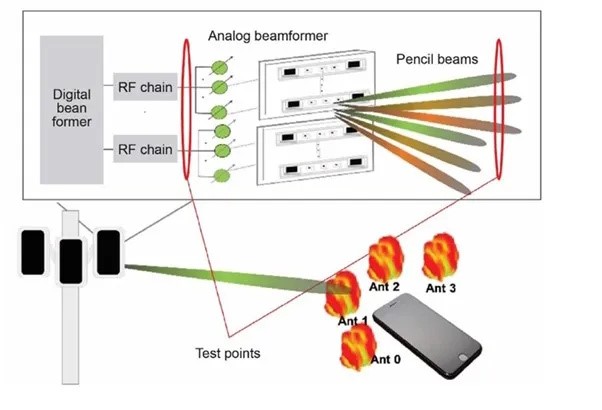
The core innovation lies in ultra-high-density antenna technology. X-MIMO packs far more antenna elements into equipment roughly the same physical size as current 5G setups. This approach quadruples the antenna density compared to existing 5G systems while keeping the hardware compact and manageable. Shorter wavelengths at 7 GHz allow for that increased density, yet the technology compensates for reduced propagation distance to deliver coverage similar to what we see in today’s mid-band 5G networks. Such advancements help maximize signal efficiency and push data throughput higher without requiring massive new infrastructure changes.
During the trials, the collaborators achieved a peak downlink data rate of up to 3 gigabits per second in the 7 GHz band. This performance came from using X-MIMO with multiple simultaneous data streams directed to a single user. The setup relied on a prototype base station developed by Samsung and Keysight’s testing equipment adapted for 6G scenarios. KT provided a communication environment that closely mimicked actual deployment conditions, making the verification more reliable than pure lab simulations. These outdoor demonstrations highlight how the technology performs beyond controlled settings.
Experts view X-MIMO as a foundational element for 6G because it directly addresses the need for dramatically higher capacity in future networks. While 5G already delivers impressive speeds in many places, 6G aims to support emerging applications like seamless holographic communication, advanced autonomous systems, and ultra-immersive virtual experiences. The 7 GHz band offers advantages over both lower 5G frequencies and higher millimeter-wave options by providing solid coverage without excessive signal loss. This milestone shows steady progress in turning theoretical ideas into verifiable prototypes that could shape standards down the line.
Samsung has been actively researching 6G since around 2020, releasing white papers and contributing to global standardization efforts. Collaborations like this one with industry partners accelerate development by combining expertise in hardware, testing, and network deployment. The successful verification underscores the potential for enhanced efficiency and performance as wireless technology evolves. With 6G still years away from widespread adoption, achievements like this build confidence that the necessary building blocks are falling into place.
What are your thoughts on this progress toward 6G and how it might change connectivity in the future? Share them in the comments.