The Dutch Minister Sparks Controversy by Claiming the F-35 Can Be Jailbroken Like an iPhone

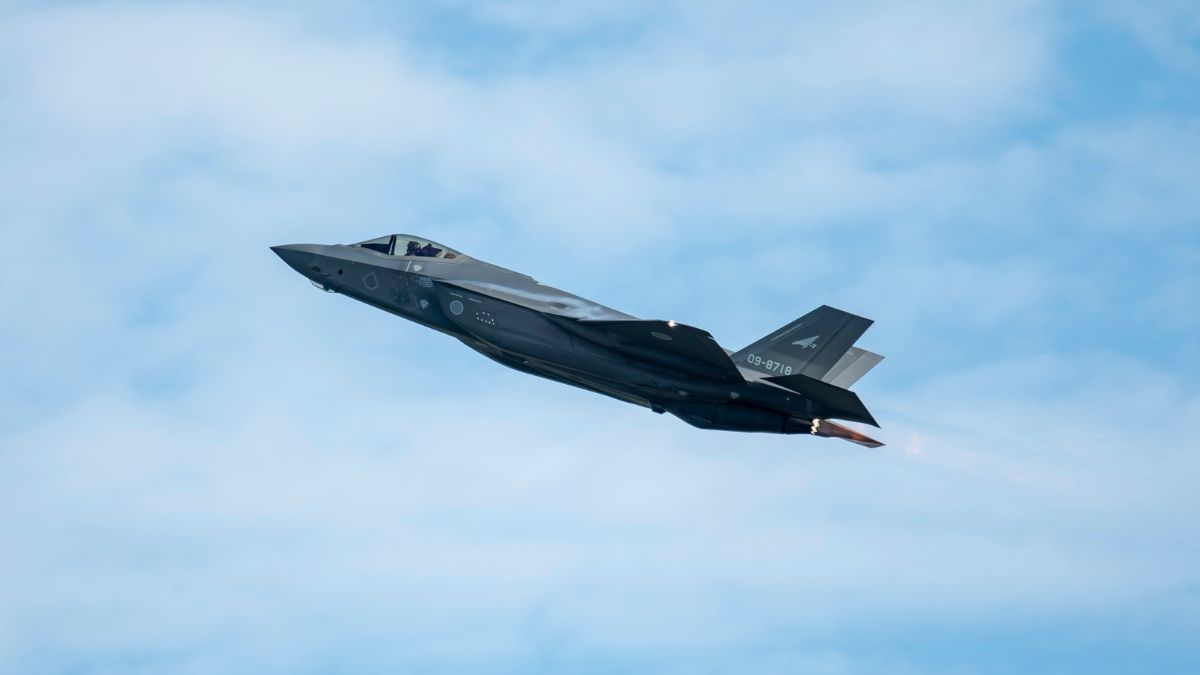
A recent podcast appearance by Dutch State Secretary for Defense Gijs Tuinman has ignited widespread debate across military and cybersecurity circles. While discussing the Netherlands’ push to strengthen its defense capabilities amid potential shifts in alliances, he addressed concerns about long-term reliance on American support for the F-35 fighter jets. Tuinman emphasized that the country aims to reach full readiness by the end of 2028, including integrating additional aircraft, missiles, and other systems.
The heart of the controversy lies in his candid remarks about the jet’s software dependencies. He pointed out that the F-35 relies heavily on updates controlled by Lockheed Martin and the U.S. government, creating a vulnerability if transatlantic ties weaken. In a bold moment, Tuinman declared that modifications could be possible without official approval. He compared the process to altering smartphone restrictions, suggesting that extreme circumstances might allow independent software changes.
Experts have quickly pushed back against the idea of casually bypassing the F-35’s protections. Cybersecurity specialist Ken Munro from Pen Test Partners highlighted the vast differences between consumer devices and military hardware. Unlike iPhones, which benefit from a large community of researchers probing for flaws, the F-35 remains tightly restricted with no open access for outsiders. This lack of widespread scrutiny makes meaningful modifications far more difficult and risky.
The aircraft’s software ecosystem adds another layer of complexity. Lockheed Martin manages updates through systems like the Autonomous Logistics Information System, delivering major service packages every one to two years under strict oversight. Only Israel has secured a unique agreement to operate its own custom software on its F-35I variant. For other operators, any attempt to override these controls could introduce severe instability or safety hazards.
Tuinman’s comments have amplified worries about digital sovereignty within NATO. They reflect growing European unease over potential remote restrictions or “kill switches,” though the Pentagon and Lockheed Martin have long denied such features exist. Analysts see his words as a signal that nations like the Netherlands are quietly exploring contingency plans. One observer, Dave DesRoches, captured the stakes sharply by noting that a failed phone tweak might just disrupt entertainment, while a botched change to an F-35 could endanger pilots’ lives.
Despite the uproar, Tuinman maintained that even without fresh updates, the F-35 remains superior to many other fighters in service today. The Netherlands continues to invest in its fleet as part of broader efforts to bolster self-reliance. His off-the-cuff analogy has nevertheless exposed tensions in the program, where shared technology creates both strength and strategic vulnerabilities.
What do you think about the possibility of modifying advanced fighter jet software independently, and share your thoughts in the comments.