Drones Are Transforming How We Watch Winter Sports at the Olympics

The Winter Olympics in Milano Cortina 2026 have brought thrilling innovations to television broadcasts that make viewers feel closer to the action than ever before. Advanced technology from the organizers and Olympic Broadcasting Services is elevating the experience across various winter disciplines. Fans worldwide are enjoying new perspectives on snow and ice events through cutting-edge tools. Among these, drones stand out as a game-changer in how these fast-paced sports are presented.
Specialized drones are now a key part of coverage for nearly all events, excluding curling and hockey. They deliver dynamic shots that follow athletes through high-speed runs and daring jumps. In alpine skiing, for example, drones trail skiers down steep slopes to capture every turn up close. This creates an immersive feel, almost like being right there on the course with the competitors.
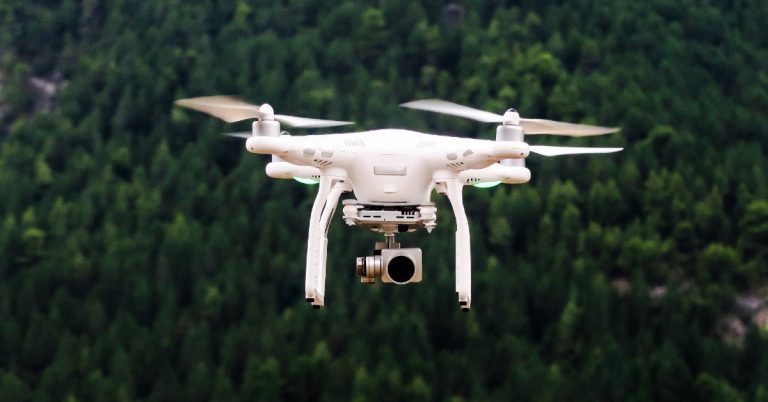
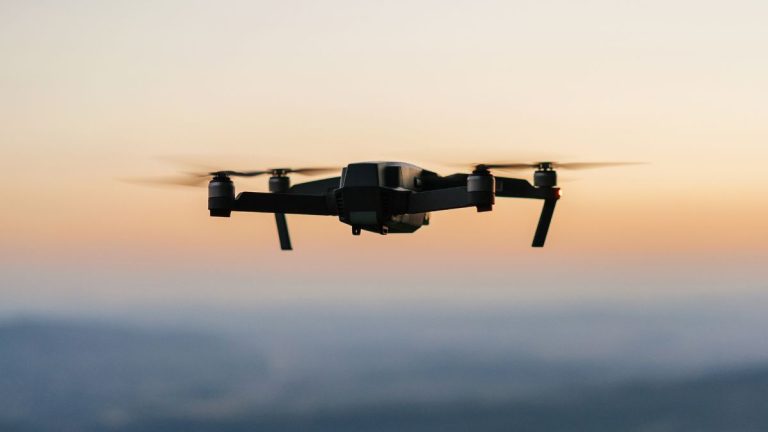
The drones include around 15 small FPV models, each weighing less than 250 grams for agility and safety. These are paired with additional classic camera drones as part of a larger setup involving hundreds of cameras overall. FPV drones are piloted manually through goggles, allowing skilled operators to match speeds exceeding 75 miles per hour. Pilots rely on precise control to stay alongside athletes without ever passing them.
Safety remains a top priority in this high-stakes environment. Drones were developed in close collaboration with international sports federations and the athletes themselves. This process helped establish clear flight paths and minimum distances to avoid any risks. For instance, the pilot handling ski jumping brings personal experience as a former competitor to choose the best angles.
Challenging mountain conditions like cold and wind require careful planning for drone operations. Flights are divided into course segments to manage battery life effectively. Each battery typically supports about two runs before needing a quick swap. Backup units are stored in insulated containers to maintain performance in freezing temperatures.
In disciplines like luge, bobsleigh, and snowboarding, the drone footage adds incredible excitement. Viewers get to see lugers speeding through icy tracks or snowboarders soaring over jumps from breathtaking viewpoints. Yiannis Exarchos, head of Olympic Broadcasting Services, has highlighted how these tools enhance coverage of even the fastest events. His insights show the careful journey behind capturing such intense moments.
Some coaches and spectators have raised concerns about potential distractions from the drones. Organizers counter that flight zones minimize noise and visual interference for competitors. The focus stays on maximizing enjoyment for the global audience watching at home. These efforts ensure the technology supports the spirit of the games while pushing broadcast boundaries.
Overall, the integration of drones marks a significant evolution in Olympic viewing. Traditional camera angles are complemented by these flying perspectives that reveal details previously unseen. Sports fans now gain a deeper appreciation for the skill and speed involved in winter events. This blend of innovation and tradition is making the 2026 Games truly memorable.
What are your thoughts on how drones are enhancing Olympic broadcasts—share them in the comments.