How To Use Headphones Safely And Prevent Hearing Damage

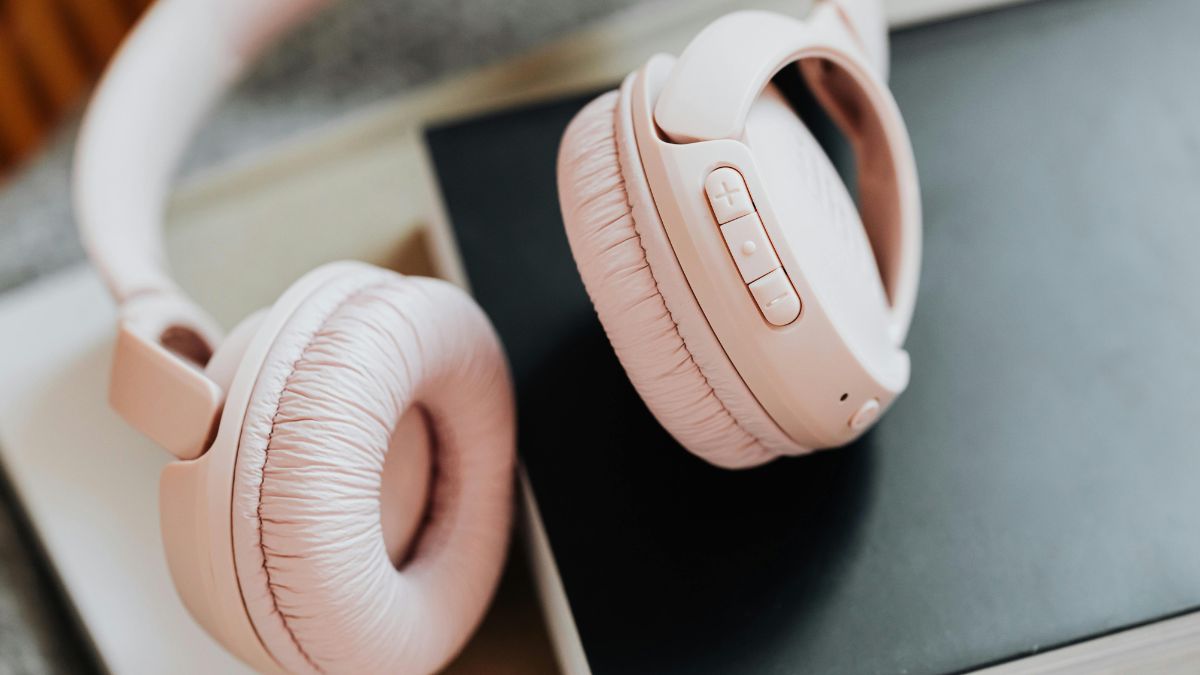
Headphones have undoubtedly become an essential accessory for navigating our modern daily routines. Whether we are commuting or working in a busy office we often rely on them to create a private auditory space. Global research indicates that nearly one in four young adults aged 12 to 35 exposes themselves to unsafe audio levels regularly. This alarming trend suggests that millions are at risk of developing permanent hearing complications without even realizing the danger. It is vital to recognize that noise-induced hearing loss is both permanent and entirely preventable with proper care.
The process of hearing relies on extremely sensitive structures located deep within the inner ear. Tiny hair cells called stereocilia are responsible for transforming sound waves into electrical signals that our brains can interpret as sound. These delicate cells act like blades of grass that can be trampled by the force of loud noises over time. Once these cells are damaged or destroyed they simply never grow back leading to irreversible hearing loss. Protecting these microscopic structures requires a constant awareness of how much acoustic energy we channel directly into our ear canals.
Medical experts and audiologists largely agree that 70 decibels is a safe upper limit for prolonged listening sessions. You can think of this volume level as being roughly equivalent to the hum of a standard washing machine. The danger zone begins at 85 decibels where the sound intensity matches that of a kitchen blender or a heavy lawnmower. Exposure to noise at this level can result in permanent auditory damage after just two hours. The risk increases exponentially as the volume climbs higher on your device.
It is frightening to note that many commercially available smartphones and headphones can blast audio at levels exceeding 100 decibels. Subjecting your ears to this intensity is comparable to standing right next to the speakers in a boisterous nightclub. At such extreme volumes the window for safe listening shrinks dramatically to a mere five minutes before harm occurs. This relationship between volume and time means that cranking up your favorite song for just a brief moment carries real risks. Users must treat volume sliders with caution to avoid crossing into these dangerous territories.
A highly recommended guideline for maintaining ear health is the widely cited 60/60 rule. This simple protocol involves keeping your volume at no more than 60 percent of the maximum output for a duration of 60 minutes. After an hour of listening it is important to remove your headphones and give your ears a rest for at least ten minutes. This recovery period allows the fatigued sensory cells in your inner ear to recuperate from the constant stimulation. Making this routine a habit is one of the most effective ways to ensure your hearing remains sharp for years to come.
Modern devices often include software tools designed to help you monitor and limit your exposure to loud audio. Platforms like iOS and Android now offer built-in health features that track headphone usage and send alerts if you exceed recommended limits. Utilizing noise-canceling headphones is another smart strategy because they reduce the need to drown out background noise with high volume. By blocking out the sounds of traffic or chatter you can listen clearly at a much lower and safer level. Investing in quality gear that prioritizes isolation can be a major factor in preserving your long-term auditory health.
Please let us know in the comments if you track your volume levels or use any specific apps to protect your hearing.

![Xiaomi Inadvertently Confirms HyperOS 4 Development and Strategy Shift[1]](https://techcrawlr.com/wp-content/uploads/2025/12/xiaomi-768x432.jpg)