
Weight Returns Four Times Faster After Ozempic Than Standard Diets

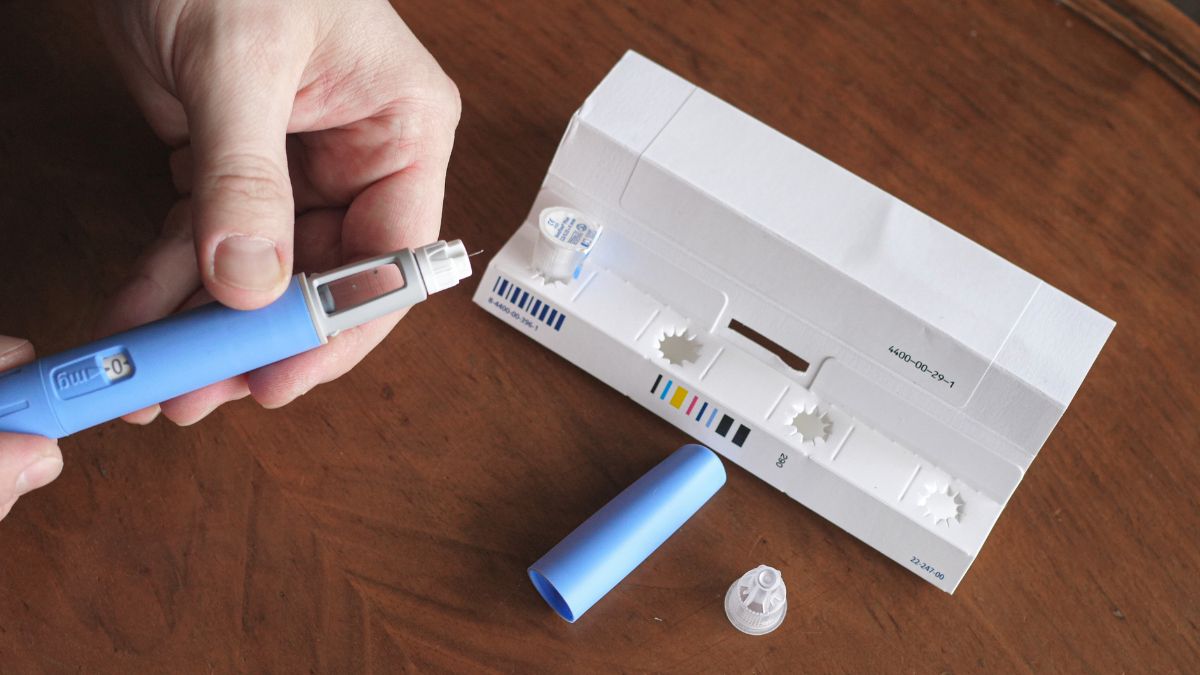
The rise of weight loss medications has drastically changed how the world approaches obesity management and health. Drugs like semaglutide have gained immense popularity for their rapid results and ability to effectively suppress appetite. However a new study suggests that stopping these treatments comes with a heavy price regarding weight management. Researchers found that patients regain lost pounds at a significantly accelerated rate compared to traditional methods.
A team led by Armen Ghusn from the University of Copenhagen conducted this revealing research to track post-treatment outcomes. They analyzed extensive data to understand what happens to the body when synthetic appetite suppression is suddenly removed. Their findings were published in the medical journal ‘The Lancet eClinical Medicine’ and highlight a major challenge for patients. The study focuses specifically on the velocity of weight regain rather than just the total amount returned.
The researchers compared the long-term results of two distinct groups of people trying to lose weight to find these patterns. They looked at five thousand individuals who used semaglutide injections against twenty thousand people who relied on diet and exercise. This large sample size allowed the team to track patterns of weight fluctuation with high accuracy and reliability. The goal was to see how sustainable the weight loss remained after the specific intervention ended.
Results showed that individuals who stopped taking the medication regained about half of their lost weight within a year. The most alarming discovery was the sheer speed at which this weight returned to the body. The data indicated that the drug group put the weight back on four times faster than the lifestyle group. This rapid rebound suggests that the body reacts aggressively to restore fat stores when the chemical assistance is withdrawn.
Traditional weight loss through diet and exercise tends to build habits that naturally slow down the regain process. People who lose weight naturally usually experience a more gradual return of pounds if they eventually slip back into old ways. The lifestyle group demonstrated a much slower rate of regain because their bodies had adjusted incrementally over time. In contrast the pharmaceutical approach acts like a dam holding back a massive river of hunger signals.
Armen Ghusn explained that the drug does not permanently alter the body’s metabolic set point or natural hunger hormones. It merely masks the biological signals while the drug is active in the system. This creates a dependency that might require patients to stay on the medication indefinitely to maintain their results. Without the drug the body attempts to restore its previous energy balance by increasing hunger cues dramatically.
The medical community is now debating the ethics and logistics of lifelong prescriptions for weight management based on this data. Insurance companies and healthcare providers must weigh the costs of indefinite treatment against the health risks of obesity. Patients often face a difficult choice between expensive ongoing medication or the high probability of rapid weight regain. This financial and physical burden makes the decision to start treatment more complex than it initially appears.
This phenomenon forces doctors to reconsider how these potent drugs are prescribed and managed for the long term. Doctors may need to view these treatments as chronic therapies rather than temporary fixes for dropping a few dress sizes. Patients must understand that the biological drive to regain weight is much stronger after stopping these potent drugs. The rapid fluctuation can also place additional stress on cardiovascular and metabolic health.
Please share your experiences with weight loss strategies and whether you think lifelong medication is a viable solution in the comments.