Artificial Blood Designed For Robotic Arms

Robotic engineers continuously search for ways to power machines without the bulk of heavy lithium batteries. A major limitation for autonomous robots has always been the trade-off between battery life and weight. Nature solved this problem millions of years ago by developing circulatory systems that deliver energy-rich oxygen to cells. Scientists have now taken a page from biology to create a synthetic fluid that mimics the function of blood. This new liquid serves as both a hydraulic force and an energy storage medium for future robotic applications.
The fluid developed by researchers like Emily Beeman is vastly different from the red liquid flowing through human veins. It appears white and bears a strong resemblance to milk due to its chemical composition. The substance is actually an emulsion created by mixing silicone oil with a solution of potassium hydroxide. A stabilizing agent acts as a detergent to keep the mixture uniform and prevents the oil from separating. This unique concoction allows the fluid to perform complex tasks that standard hydraulic oil cannot handle.
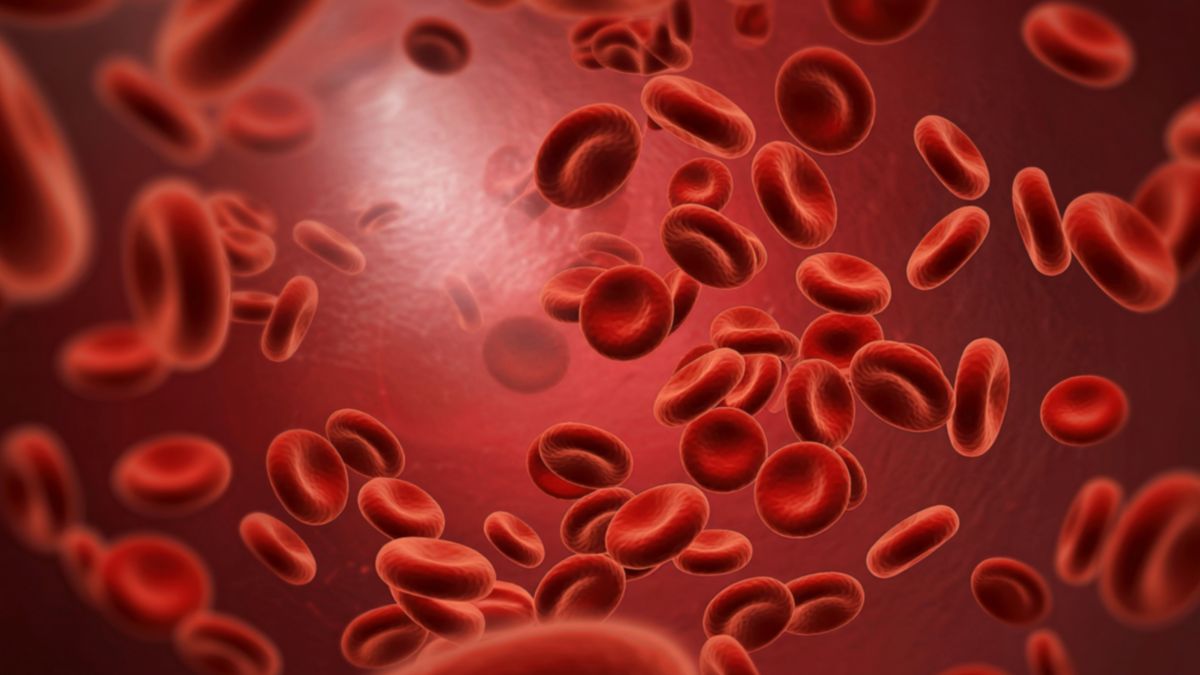
Microscopic analysis reveals that this artificial blood relies on tiny droplets to function effectively. The silicone oil droplets within the emulsion measure approximately 300 nanometers in diameter. This size is significantly smaller than human red blood cells which are typically about eight micrometers wide. These nano-sized droplets are crucial because they create a massive surface area within the fluid. This surface area allows the liquid to absorb and transport oxygen with remarkable efficiency.
The primary goal of this innovation is to enable what scientists call aerobic robots. Just as animals breathe oxygen to fuel their metabolism, these machines would use oxygen from the surrounding air to generate power. The white emulsion acts as an electrolyte that shuttles oxygen from the air to an internal zinc electrode. This process powers a zinc-air battery system that can run for much longer periods than traditional sealed batteries. The fluid effectively allows the robot to breathe while it moves.
Human blood uses hemoglobin to bind oxygen molecules and transport them through the body. This new synthetic fluid uses the silicone oil droplets to perform a nearly identical role. The solubility of oxygen in this emulsion is far superior to that of plain water or standard battery electrolytes. By holding more oxygen, the fluid ensures that the power source does not suffocate during intense operation. This high capacity for oxygen storage is what makes the concept of a breathing robot mathematically and physically possible.
Future iterations of this technology could lead to soft robots that operate for days rather than hours. These machines could squeeze into tight spaces for search and rescue missions without being tethered to a power cord. The concept of a robotic arm that pumps its own energy-rich fluid brings machines one step closer to lifelike autonomy. As this technology matures, the line between biological systems and mechanical engineering will continue to blur.
We would love to hear if you think biological mimicry is the best path for future robotics so please share your thoughts in the comments.