Pentagon Directs One-Way Attack Drones to Every Army Infantry Squad

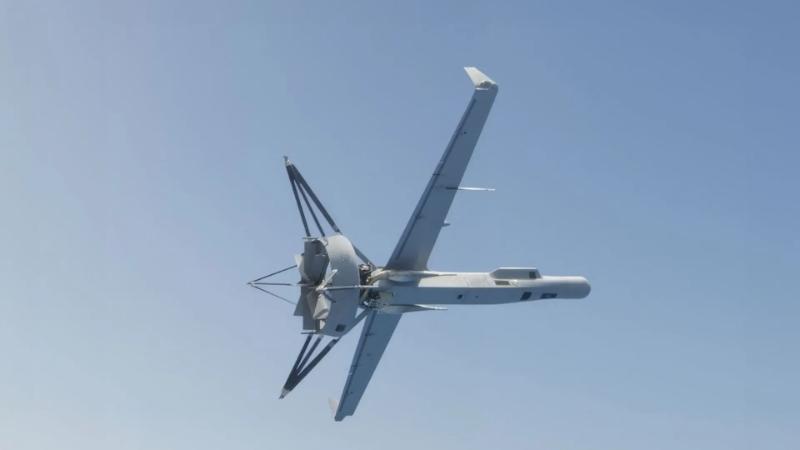
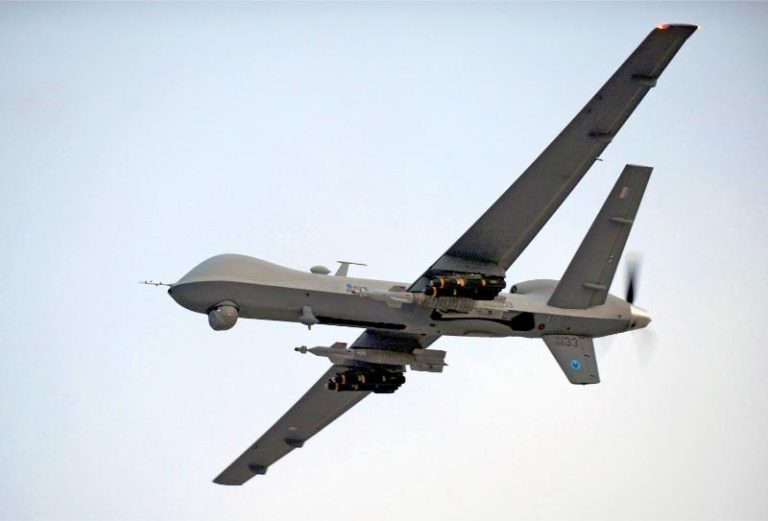
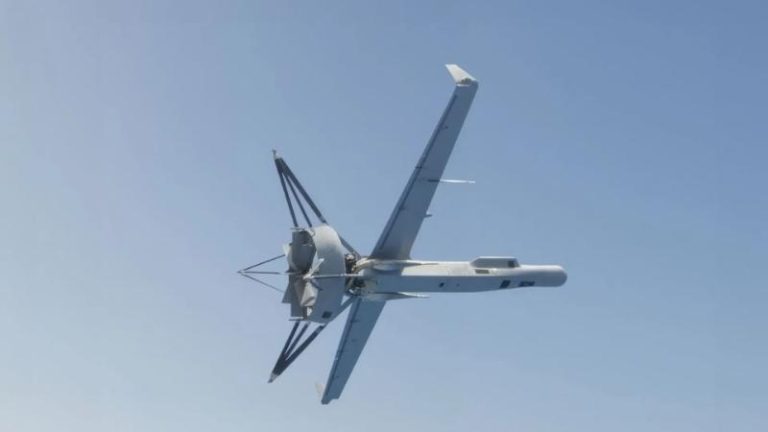
Low-cost unmanned systems have repeatedly demonstrated decisive impacts in ongoing conflicts worldwide. The United States Department of Defense has issued guidance requiring the Army to equip every infantry squad with small one-way attack drones. These systems function as loitering munitions capable of precision strikes against personnel and light vehicles. The directive aims to provide organic lethal capabilities at the lowest tactical level.
Each squad will receive multiple expendable drones designed for single-use missions. Operators launch the units manually or via pneumatic systems for rapid employment. Autonomous navigation features enable beyond-line-of-sight targeting using onboard sensors. Integration with tablet-based controls simplifies mission planning and execution.
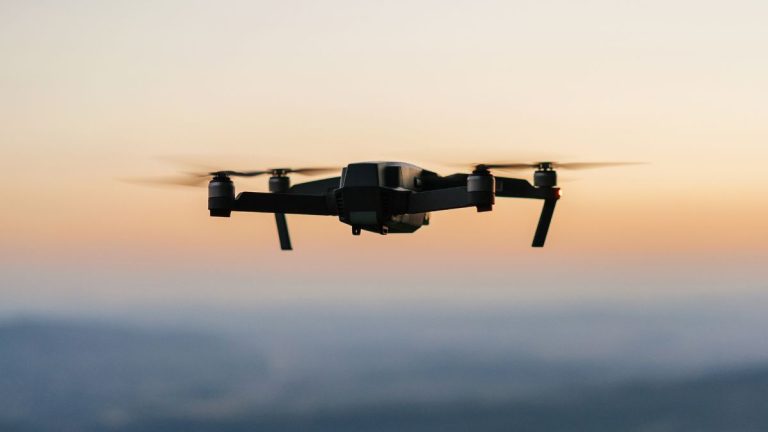
The systems draw heavily from commercial drone technologies adapted for military requirements. Manufacturers incorporate anti-jamming measures and secure data links to resist electronic warfare. Payloads include fragmentation warheads optimized for anti-personnel effects. Portability constraints limit individual unit weight to under 10 pounds for foot-mobile troops.
This mandate aligns with the broader Replicator initiative focused on fielding thousands of attritable autonomous systems. Multiple contractors supply variants meeting performance specifications for range and endurance. Production emphasizes scalability using existing supply chains. The approach prioritizes quantity over exquisite capabilities to enable massed effects.
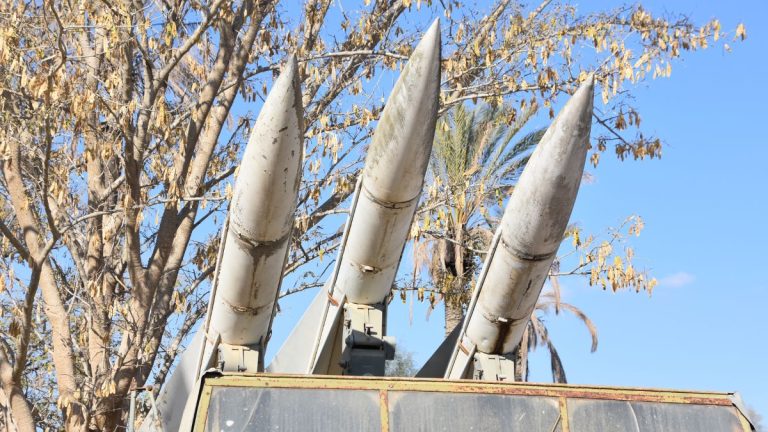
Counter-drone development proceeds concurrently to address symmetric threats. The fiscal budget requests billions specifically for defensive systems against small unmanned aerial threats. Kinetic interceptors and directed energy weapons form layered protection schemes. Electronic warfare units gain enhanced capabilities to disrupt adversary control links.
Joint interoperability standards ensure coordination with Air Force and Navy unmanned assets. Data fusion from multiple platforms enhances battlefield awareness for ground commanders. Swarming algorithms allow coordinated attacks from dispersed squad-level launches. This distributed architecture complicates enemy defensive planning.
Industry partners accelerate manufacturing through automated assembly processes. Commercial components reduce per-unit costs significantly below traditional precision munitions. Rapid iteration cycles incorporate field feedback for continuous improvement. Vendors compete on reliability metrics under operational stress conditions.
The transformation fundamentally alters small unit tactics in contested environments. Infantry squads gain responsive strike options previously reserved for higher echelons. Combined arms integration multiplies effectiveness against armored formations. The shift reflects recognition that unmanned systems now define modern ground combat dominance.
Logistics adaptations accommodate higher consumption rates of expendable platforms. Sustainment pipelines prioritize forward stocking of ready-to-use units. Training programs embed drone operations into standard infantry qualification courses. The evolution positions United States forces to counter peer adversaries employing similar technologies.