US Marines Test Long-Range Missile from Attack Helicopter

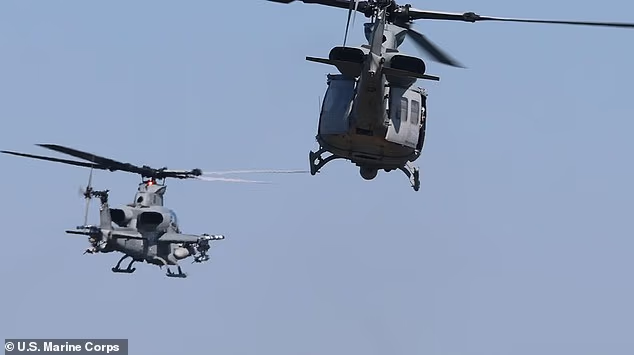
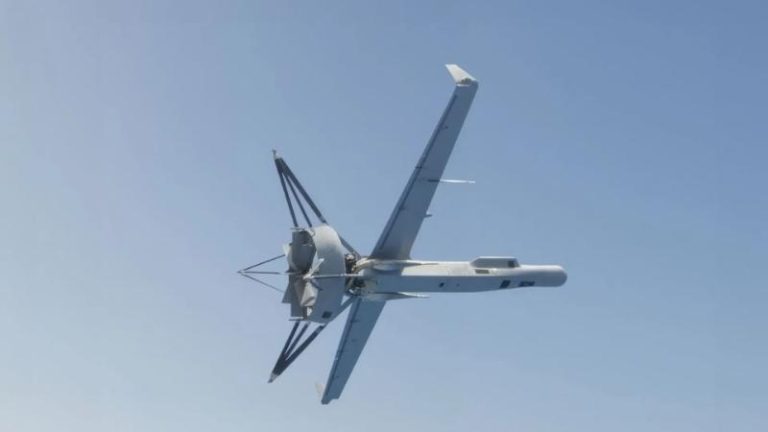
The US Marine Corps has successfully tested the Red Wolf missile, a modular high-subsonic weapon launched from an AH-1Z Viper attack helicopter, striking a sea-based target with precision. This system extends helicopter strike range to approximately 230 miles at low altitudes, far surpassing the AGM-114 Hellfire’s 21-mile capability and the Joint Air-to-Ground Missile’s 10-mile reach. Red Wolf features turbojet propulsion, fold-out fins for control, and capacity for 25-pound payloads alongside targeting data relay functions. The test occurred over the Atlantic Test Range, validating integration, tracking, and operator usability across platforms. L3Harris developed Red Wolf with over 40 flight tests since 2020 on crewed aircraft, uncrewed systems, helicopters, and ground launchers.
Red Wolf enables helicopters to engage distant threats without entering adversary weapon zones, providing asymmetrical standoff capability. It can disrupt warship sensors temporarily, opening windows for follow-on attacks using weapons like the Long-Range Anti-Ship Missile or Joint Strike Missile. Estimated unit cost stands at $300,000, with planned annual production up to 1,000 missiles. This development supports Pentagon efforts to field affordable long-range strike and reconnaissance options for contested environments, particularly in the Indo-Pacific region. Initial operational capability targets 2026 deployment.
The missile’s design prioritizes modularity for rapid adaptation to emerging threats, including electronic warfare payloads. Integration with AH-1Z Viper leverages existing Marine aviation assets, enhancing rotary-wing contributions to distributed maritime operations. Red Wolf complements broader Replicator initiative goals for massed, attritable systems countering peer adversaries. Testing demonstrated low-altitude flight profiles to evade detection while maintaining guidance accuracy.
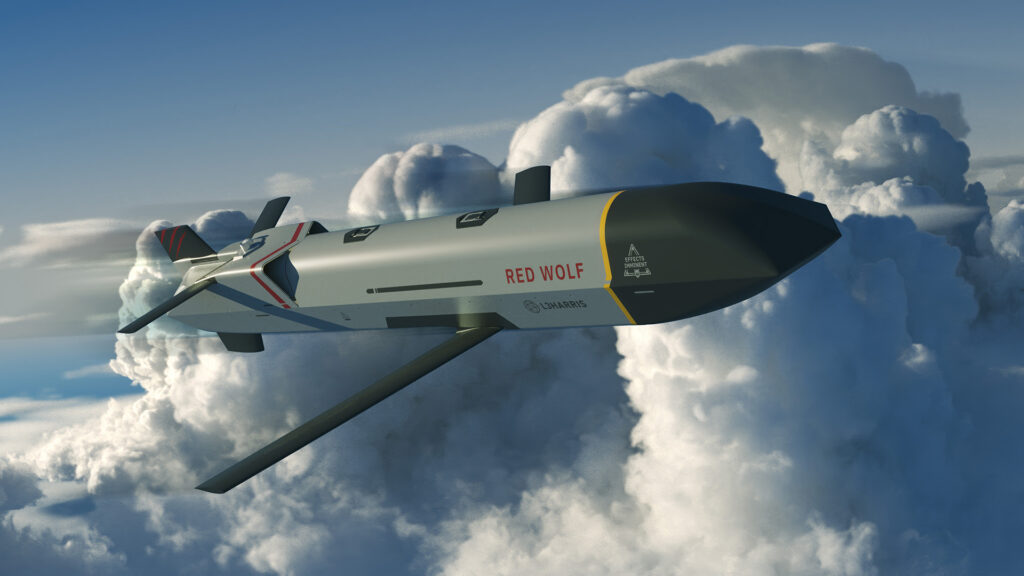
This capability shift allows attack helicopters to assume roles traditionally held by fixed-wing aircraft or larger platforms. Marines conducted the launch without modifications to the Viper’s existing hardpoints, facilitating fleet-wide adoption. Red Wolf’s subsonic speed and terrain-following modes improve survivability against integrated air defenses. The program emphasizes cross-domain interoperability, enabling data sharing with naval surface forces and joint partners.
Broader implications include enhanced deterrence through layered strike options at reduced risk to pilots. Development aligns with Force Design 2030 priorities for expeditionary advanced bases and stand-in forces. Successful validation accelerates transition from prototyping to procurement phases. Red Wolf positions Marine aviation for sustained operations in anti-access/area denial scenarios against advanced threats.