Why Smartwatches Struggle In Cold Weather And How To Extend Their Lifespan

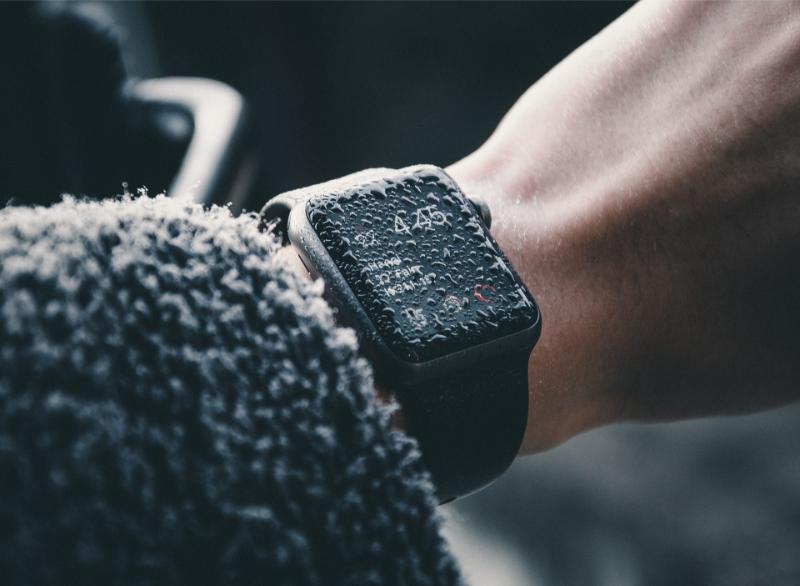
Winter presents a unique set of challenges for modern technology and your smartwatch is no exception. These devices are designed to operate within specific temperature ranges that winter weather often exceeds. Exposure to freezing air can lead to unexpected shutdowns or erratic behavior during your daily routine. Users often mistake these seasonal glitches for permanent hardware failures or defects. It is crucial to understand why this happens to prevent long term damage to your investment.
The primary victim of dropping temperatures is the lithium ion battery inside your wearable device. Cold environments increase the internal resistance within the battery cells significantly. This physical change slows down the chemical reactions required to generate power for the watch. Consequently the battery creates less current and drains much faster than it would in warmer months. You might find your device jumping from a fifty percent charge to zero in a matter of minutes.
Batteries are not the only component at risk when the thermometer plummets outside. Liquid crystal displays can become sluggish and ghosting effects may appear on the screen. The touchscreen might struggle to register your inputs correctly due to the cold environment making the sensors less sensitive. Additionally the materials making up the watch casing can contract and potentially compromise the water resistance seals. This physical stress puts the internal circuitry at risk of exposure to external elements.
A less obvious but highly dangerous threat is the phenomenon of condensation inside the device. This occurs when you transition rapidly from a freezing outdoor environment to a warm indoor space. Moisture creates dew on cold surfaces including the sensitive internals of your electronic devices. This water can lead to corrosion or short circuits that destroy the motherboard over time. Damage caused by liquid ingress is rarely covered by standard manufacturer warranties so caution is necessary.
You can mitigate these risks by keeping your smartwatch warm with your own body heat while outdoors. The most effective strategy is to keep the device covered by your jacket sleeve or glove at all times. This simple barrier protects the watch from the biting wind and maintains a stable operating temperature. Avoid wearing the watch over your clothes where it is completely exposed to the freeze. Keeping it against your skin ensures the battery stays warm enough to function efficiently.
Special care must be taken when you decide to recharge your device after coming inside. You should never plug a freezing cold electronic device into a charger immediately upon entry. Charging a cold lithium battery can cause metallic lithium plating on the anode which ruins the cell. This reaction permanently reduces capacity and can even make the battery unstable or dangerous. Always let your watch acclimate to room temperature for roughly one hour before connecting it to power.
Software adjustments can also help preserve battery life during cold winter excursions. Consider disabling high power features like GPS tracking or cellular data if they are not essential for your activity. Turning off the always on display feature can save a significant amount of energy when the battery is stressed. Reducing the screen brightness helps reduce the load on the struggling power cell. Every bit of energy conservation helps when the chemical efficiency is compromised by the weather.
Please let us know how your wearable devices handle the freezing temperatures in the comments.