
Britain Pushes Green Energy But Old Grid Fails To Deliver

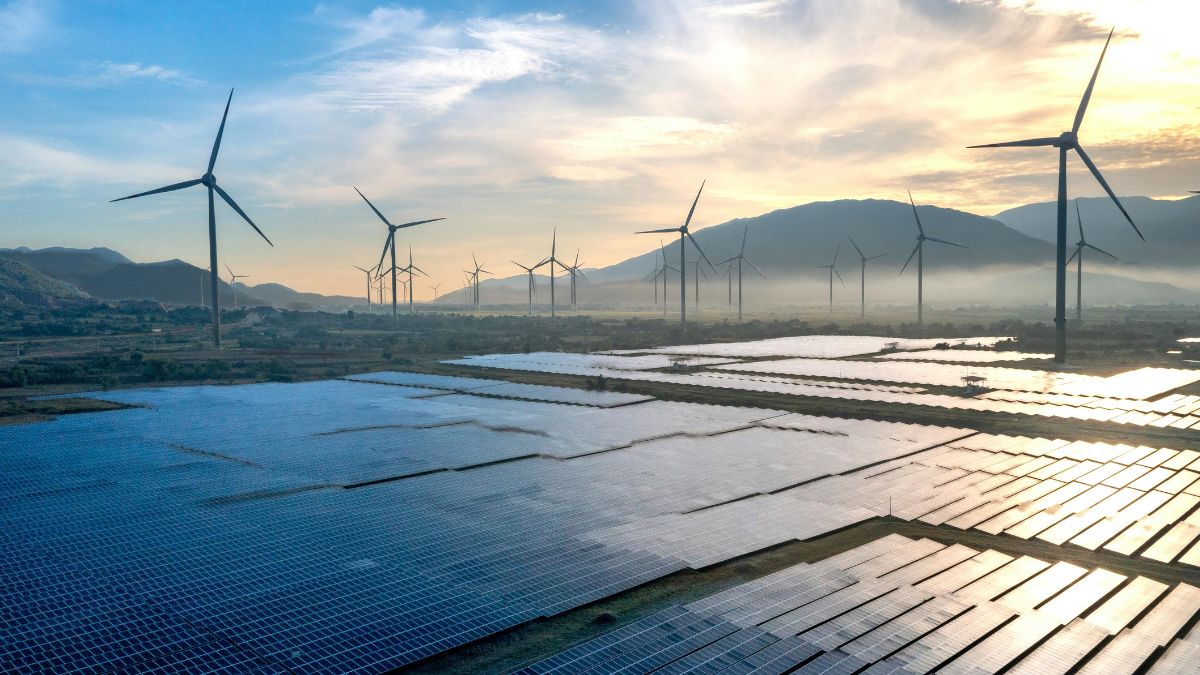
Great Britain has positioned itself as a global leader in the race toward renewable power and decarbonization. The nation is building massive wind farms at a record pace to harness the weather conditions in the north. This ambitious strategy is designed to lower emissions and eventually reduce costs for consumers. However the aging electrical infrastructure is proving to be a disastrous bottleneck for these plans. The physical cables and substations are simply not capable of handling the sheer volume of electricity being generated.
The heart of the problem lies in the geographical mismatch between energy production and consumption. Most of the new wind generation capacity is located in Scotland and the North Sea where it is windy. The majority of the demand comes from the densely populated cities in the south of England. The high voltage transmission cables connecting these two regions act like a funnel that is too narrow for the flow. This physical limitation forces the grid to reject perfectly good green electricity.
This infrastructure gap has led to a controversial financial mechanism known as constraint payments. The National Energy System Operator must pay wind farm owners to turn off their turbines when the lines are full. These companies are effectively compensated for energy they could have produced but were blocked from sending to the grid. Consumers are then hit with a second cost as gas power plants in the south are paid to fire up to meet local demand. It results in a bizarre scenario where the public pays twice to waste clean energy.
Industry figures such as Greg Jackson of Octopus Energy have been vocal about the absurdity of this system. He has described the situation as a racket that punishes billpayers for poor planning. The costs associated with these constraint payments have spiraled into the billions and are added directly to household energy bills. Energy Secretary Ed Miliband faces increasing pressure to accelerate the construction of new transmission lines. Yet the planning and construction of new pylons can take over a decade to complete.
The consequences of this gridlock extend beyond just high household bills and wasted wind power. The technology sector and the burgeoning artificial intelligence industry are heavily dependent on reliable and affordable electricity. Data centers required to run advanced AI models consume vast amounts of energy around the clock. Britain risks losing its competitive edge in the tech race if it cannot guarantee a stable power supply. Tech investors may look to other countries where the grid is more robust and capable of supporting high loads.
Fixing this issue requires a massive overhaul of the national network that was originally built for the coal age. The government is attempting to fast-track planning permission for new superhighways of electricity. Until those new cables are energized the country will continue to throw away green power. The transition to a cleaner future is happening faster than the wires can catch up. This logistical nightmare serves as a warning to other nations rushing to renewables without updating their backbone infrastructure.
We want to hear your opinion on whether the costs of green energy upgrades should be passed to consumers in the comments.