
Can Artificial Intelligence Finally Decode Ancient Languages We Still Do Not Understand

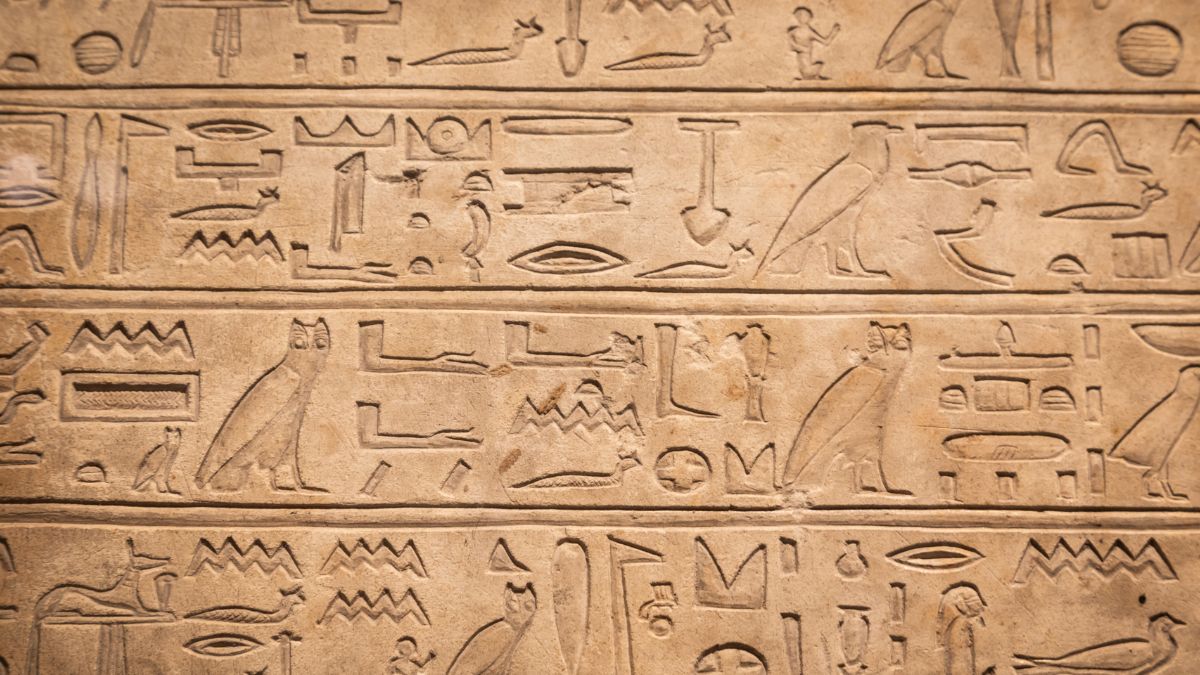
Do you enjoy solving riddles? Imagine being handed a complex code with absolutely no key to unlock it—no dictionary, no grammar guide, and no translation to offer a hint. This is precisely the challenge that archaeologists and linguists face when they encounter certain ancient scripts that have remained silent for thousands of years. Despite our modern technological advancements, including the rapid rise of artificial intelligence, these writing systems continue to baffle the brightest minds in science.
There are approximately seven major ancient scripts that scholars have yet to decipher. Among the most famous is the Indus script from the Harappan culture in present-day Pakistan and India, which appears on thousands of seals but only in frustratingly short sequences. Another major mystery is Linear A, used by the Minoans on Crete before the Greeks arrived; while its successor, Linear B, was cracked in the 1950s, Linear A remains unintelligible. Other examples include the unique Phaistos Disc, the enigmatic Rongorongo script of Easter Island, and the Epi-Olmec script found in Mexico.
Svenja Bonmann, a linguist at the University of Cologne who specializes in comparative linguistics, describes the allure of these lost languages. She notes that tackling an intellectual puzzle so demanding that it has stumped the smartest people in history is incredibly attractive. For Bonmann, deciphering these texts is akin to building a time machine that allows us to communicate, at least passively, with a culture that vanished long ago. However, she points out the primary obstacles that keep these windows into the past closed: the texts are often too short, too few in number, or simply too foreign to link to any known language family.
The hope is that artificial intelligence might succeed where humans have failed. AI excels at finding patterns in massive datasets, a capability that has already helped restore damaged Greek inscriptions through tools like DeepMind’s ‘Ithaca’. Yet, for scripts like the Indus or Epi-Olmec, AI faces a critical hurdle: the lack of data. Machine learning requires vast amounts of information to “learn” a language, and for many of these ancient puzzles, we only have a handful of fragments or short inscriptions.
While technology offers new tools to assist researchers, it is not a magic wand that can instantly solve these historical mysteries without sufficient evidence. The decipherment of these scripts would require either a breakthrough in AI learning methods or the discovery of a “Rosetta Stone” moment—a multilingual text that provides the necessary key. Until then, these ancient voices remain locked in stone and clay, waiting for the right combination of human ingenuity and computational power to set them free.
If you could choose one ancient civilization to finally understand through their writings, which one would it be, and why do you think we haven’t cracked the code yet? Share your thoughts in the comments.