Arctic Hydrothermal Field Discovered Three Kilometers Deep

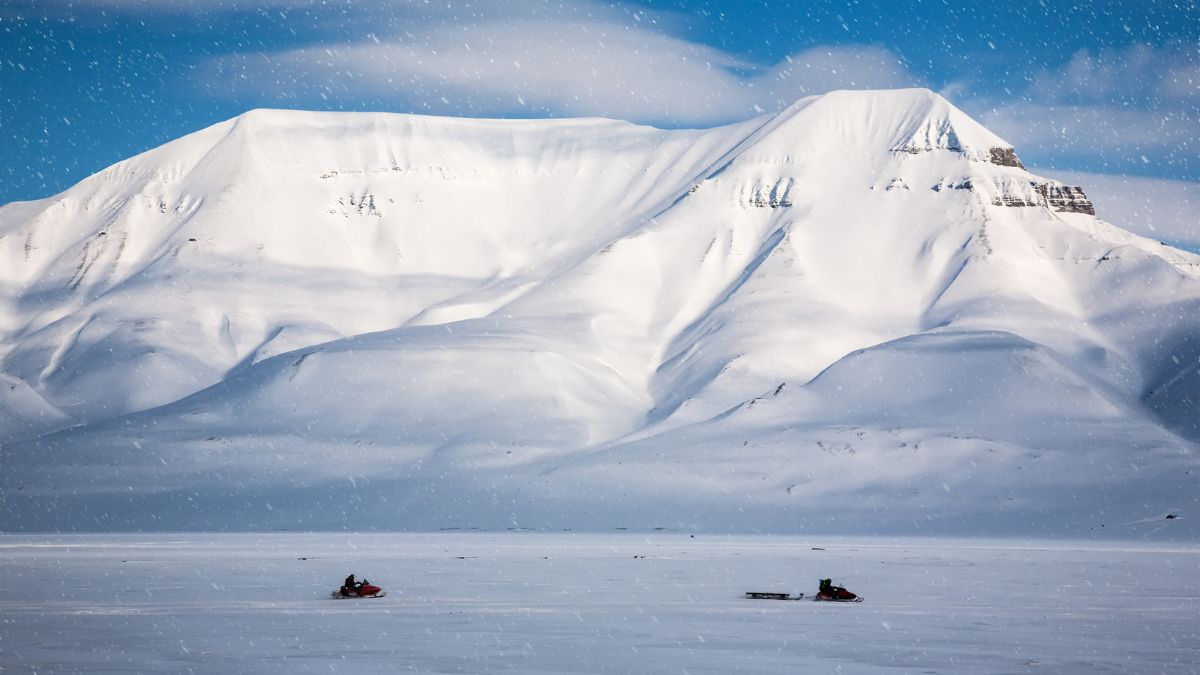
The freezing waters of the Arctic Ocean often hide secrets far beneath the ice that challenge our understanding of life on Earth. A groundbreaking discovery has revealed a thriving hydrothermal field located more than three kilometers below the ocean surface. This find occurred on the Knipovich Ridge which is a tectonic boundary previously thought to be devoid of such intense activity. Scientists were surprised to find heat and chemical energy supporting a unique ecosystem in total darkness.
Researchers identified this new site during an expedition aboard the research vessel MARIA S. MERIAN. The team was led by Gerhard Bohrmann from the University of Bremen and the MARUM Center for Marine Environmental Sciences. They used a remotely operated vehicle to capture images and samples from the seafloor. The detailed exploration took place in the summer of 2022 and the results were recently published to share the significance of the find.
The newly named Jøtul field stretches over a kilometer along the ocean floor and features active hydrothermal vents. These vents are often called black smokers because they eject mineral-rich fluids that look like dark smoke. The water emerging from these chimneys can reach scorching temperatures of over 300 degrees Celsius. It is a stark contrast to the freezing environment found in the surrounding waters.
Geologists have long studied the Knipovich Ridge because it is an ultraslow-spreading ridge where tectonic plates move apart very sluggishly. Scientists previously believed that such slow geological movement could not generate enough volcanic heat to sustain hydrothermal vents. The discovery of the Jøtul field proves that these geological features can exist even in areas with low tectonic activity. This revelation fills a major gap in the map of hydrothermal systems in the Norwegian-Greenland Sea.
Life at these crushing depths does not rely on sunlight but instead depends on a process known as chemosynthesis. The fluids seeping from the vents are rich in methane and other minerals that bacteria use to produce energy. These bacteria form the base of a food web that supports various deep-sea creatures. Detailed analysis of the fluid samples showed high concentrations of methane which suggests an energetic interaction between hot magma and sediment.
The field derives its name from the Jøtuls who are powerful giants in Norse mythology known for living beneath mountains. This mythical connection highlights the sheer scale and power of the geological forces at play deep underwater. The finding also links two other known hydrothermal areas in the region which helps biologists understand how deep-sea species disperse across vast distances. It changes the way experts view the potential for life in the most remote corners of the planet.
Future expeditions are already being planned to further investigate this fascinating underwater landscape. Scientists aim to learn more about the organisms living there and how the release of methane might impact the ocean and climate. Every dive provides a new piece of the puzzle regarding the hidden geology of the Arctic. The ocean floor remains one of the last great frontiers for human exploration.
We are curious to know what you think about this discovery of life in such extreme conditions so please share your thoughts in the comments.