DoD Delivers First Fuel for Project Pele Mobile Nuclear Microreactors


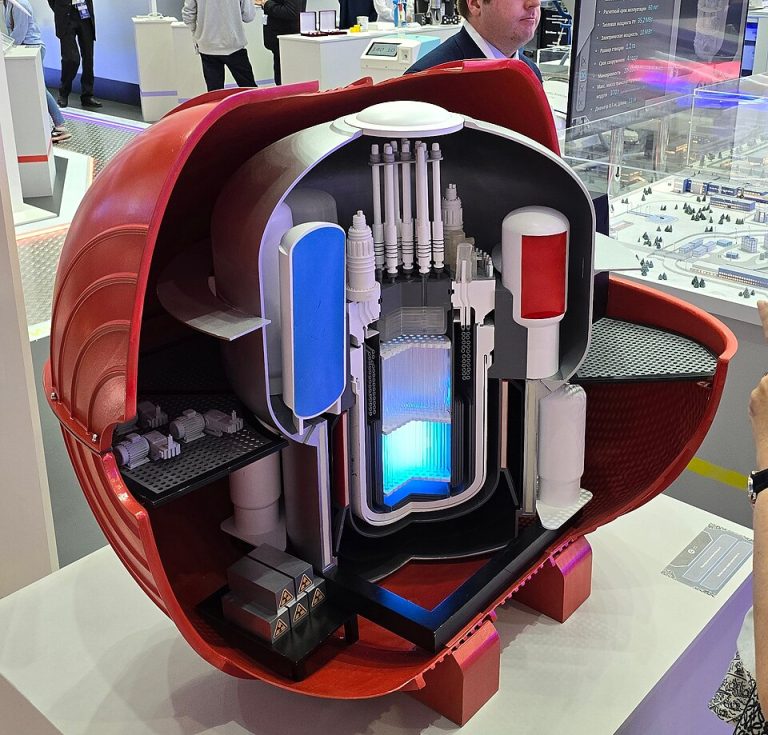
The Department of Defense achieved a key milestone in Project Pele by accepting delivery of the initial fuel supply for transportable nuclear microreactors designed for forward military operations. These mobile units generate between 1 and 5 megawatts of electric power using high-assay low-enriched uranium fuel in a compact, truck-transportable design. Project Pele aims to replace diesel generators at remote bases, reducing fuel convoy vulnerabilities that account for a significant portion of logistics risks in contested environments. BWX Technologies holds the primary contract for reactor design and fuel fabrication under a 2022 award.
The microreactors incorporate tristructural-isotropic fuel particles that withstand high temperatures and enhance safety through passive cooling mechanisms. Strategic Capabilities Office leads the program in collaboration with the Army and Air Force to demonstrate prototype operation at Idaho National Laboratory by 2027. Fuel delivery enables loading and testing phases critical to validating performance under simulated deployment conditions. The design prioritizes rapid setup within days and shutdown without external power sources.
Project Pele addresses longstanding challenges in expeditionary energy supply where diesel fuel consumption exceeds 80 percent of resupply tonnage in some operations. Microreactors provide continuous power for command centers, weapon systems, and base infrastructure without emissions or frequent refueling. The program incorporates safeguards against proliferation risks through enriched uranium levels below weapons-grade thresholds. Multiple safety reviews by the Nuclear Regulatory Commission inform licensing for military use.
This advancement positions nuclear microreactors as a resilient alternative to vulnerable fuel supply chains exposed to enemy disruption. The technology supports extended operations in austere locations while minimizing personnel requirements for power generation. DoD officials describe the fuel delivery as enabling accelerated testing toward potential fielding in the late 2020s. Industry partners continue refining manufacturing processes for scalable production if prototypes meet performance targets.
The milestone highlights renewed emphasis on advanced energy solutions for military logistics amid peer competitor threats. Project Pele integrates lessons from commercial small modular reactor developments adapted for defense specifications. Future phases include full-scale prototype assembly and operational demonstrations to confirm reliability in realistic scenarios. This progress marks a step toward reducing dependence on conventional fuels in high-threat environments.