Rocket Lab Completes Record 21 Electron Launches in 2025

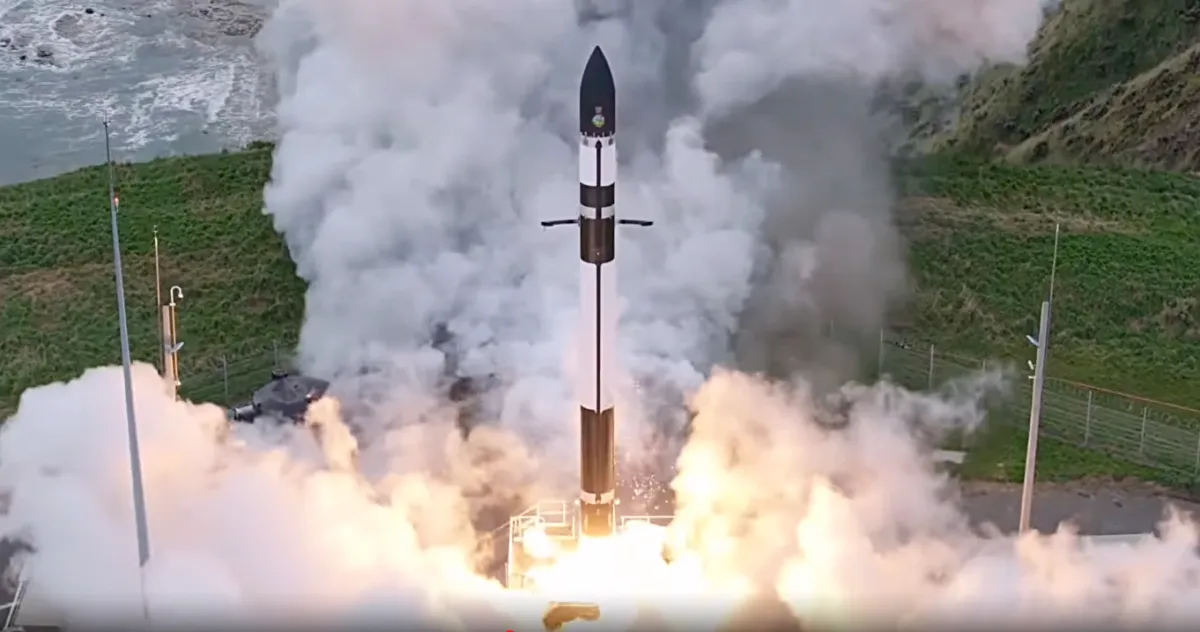
Rocket Lab achieved a company record of 21 successful Electron rocket launches throughout 2025. The final mission deployed four DiskSat satellites for the U.S. Space Force from Wallops Island, Virginia. These flat, disk-shaped satellites measure 1 meter in diameter and support persistent Earth observation capabilities. Rocket Lab met its publicly stated goal of at least 20 Electron launches for the year.
Seven of the 2025 missions carried satellites for Japanese company iQPS, advancing its planned constellation of 36 radar imaging spacecraft. Rocket Lab holds contracts for five additional iQPS launches. The company positioned itself as the second-most active Western launch provider in 2025, trailing only SpaceX’s 165 orbital flights. Electron’s dedicated smallsat focus allowed consistent operations amid challenges faced by competitors in the sector.
A planned 22nd launch from New Zealand, carrying the NEONSAT-1A imaging satellite for South Korea, faced technical scrubs and did not occur. Rocket Lab prioritized reliability, maintaining a high success rate across its Electron fleet. The vehicle uses Rutherford engines with electric pump-fed technology for rapid production and turnaround. Reusability efforts continued, including helicopter recovery tests of first stages in prior years.
This cadence supported diverse customers, including NASA, commercial operators, and defense agencies. Rocket Lab expanded its medium-lift Neutron rocket development in parallel, targeting debut operations in the coming years. The 2025 performance demonstrated scaled operations for small launch vehicles in a market dominated by larger providers. Industry analysts noted Rocket Lab’s niche in responsive, tailored missions for constellations and technology demonstrations.
The achievement underscored growth in U.S. commercial spaceflight capabilities beyond mega-constellation deployments. Rocket Lab’s Virginia and New Zealand sites enabled flexible scheduling and global coverage. Future plans include increasing launch frequency further as Neutron enters service. This record capped a year of infrastructure investments and contract wins for the company.