Japan H3 Rocket Fails to Deploy Navigation Satellite

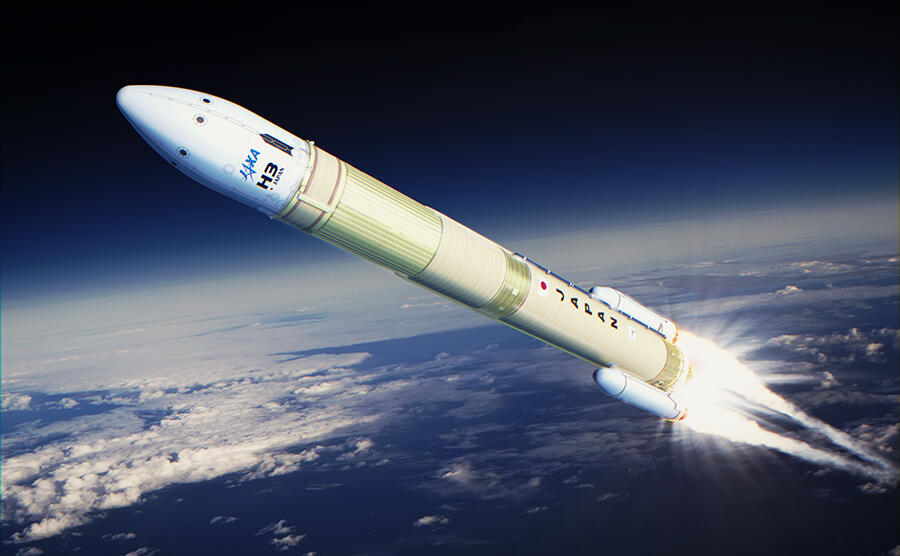
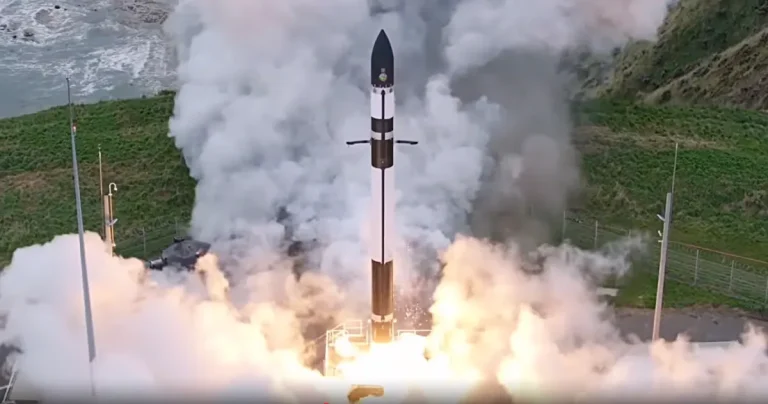
Japan’s H3 rocket experienced a second-stage engine failure during its eighth flight. The vehicle could not insert the QZS-5 geolocation satellite into the planned orbit. The Japan Aerospace Exploration Agency confirmed the anomaly shortly after liftoff from Tanegashima Space Center.
The QZS-5 satellite forms part of Japan’s Quasi-Zenith Satellite System for enhanced GPS accuracy over Asia-Oceania regions. Mitsubishi Heavy Industries developed the H3 as a successor to the H-II series with reduced costs and increased payload capacity. This launch marked the vehicle’s first operational mission following prior test flights.
Engine ignition issues prevented achievement of the required velocity for orbital insertion. JAXA teams initiated anomaly investigations immediately post-flight. The rocket reached space but fell short of the 36,000-kilometer geostationary transfer orbit.
Previous H3 flights included successful deployments in 2024 and early 2025. The program has accumulated six consecutive successes prior to this incident. Developers targeted reliability improvements through simplified design and domestic component sourcing.
The failure impacts Japan’s independent navigation augmentation capabilities. QZS satellites provide centimeter-level positioning for applications including autonomous vehicles and disaster response. Backup systems maintain current service coverage temporarily.
JAXA scheduled a post-launch press conference to detail telemetry data. Engineers focus on second-stage LE-9 engine performance parameters. The agency operates multiple LE-9 units in parallel for redundancy on H3 configurations.
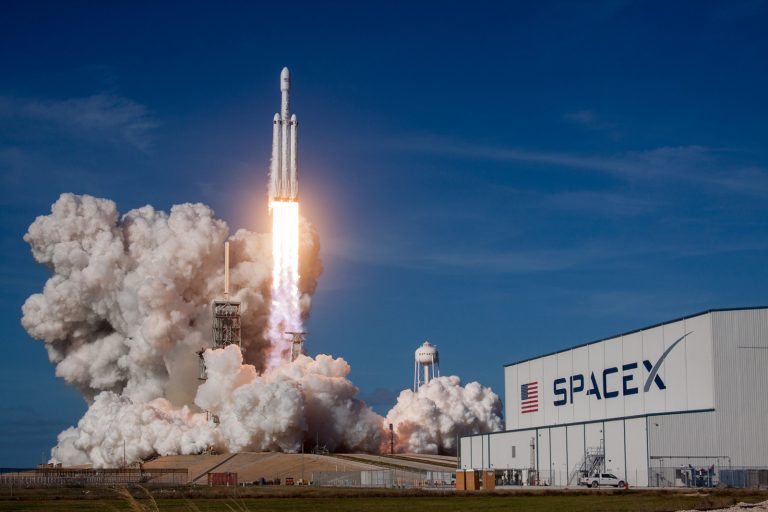
This event follows international launch setbacks in late 2025. Competitors like SpaceX maintained higher cadence with Falcon vehicles. Japan’s program emphasizes cost reduction to 5 billion yen per flight compared to predecessors.
Recovery efforts prioritize root cause identification for future missions. H3 supports government payloads including intelligence and communications satellites. The vehicle incorporates cryogenic hydrogen-oxygen propulsion for high efficiency.
Industry observers monitor implications for commercial viability. Mitsubishi Heavy Industries markets H3 internationally alongside Ariane and Falcon options. Reliability metrics remain critical for securing contracts.
JAXA continues parallel development of H3 variants with solid rocket boosters. The baseline configuration used two LE-9 engines on the second stage. Telemetry indicated normal first-stage separation prior to the failure.
This setback delays full operational status for the QZS constellation. Japan maintains four active quasi-zenith satellites providing regional coverage. QZS-5 carried advanced atomic clocks for precision timing.
Investigations involve international partners sharing propulsion expertise. The H3 program has completed over 100 engine ground tests. Flight data will inform software and hardware updates for subsequent vehicles.