Blue Origin Schedules Suborbital Flight with First Wheelchair User

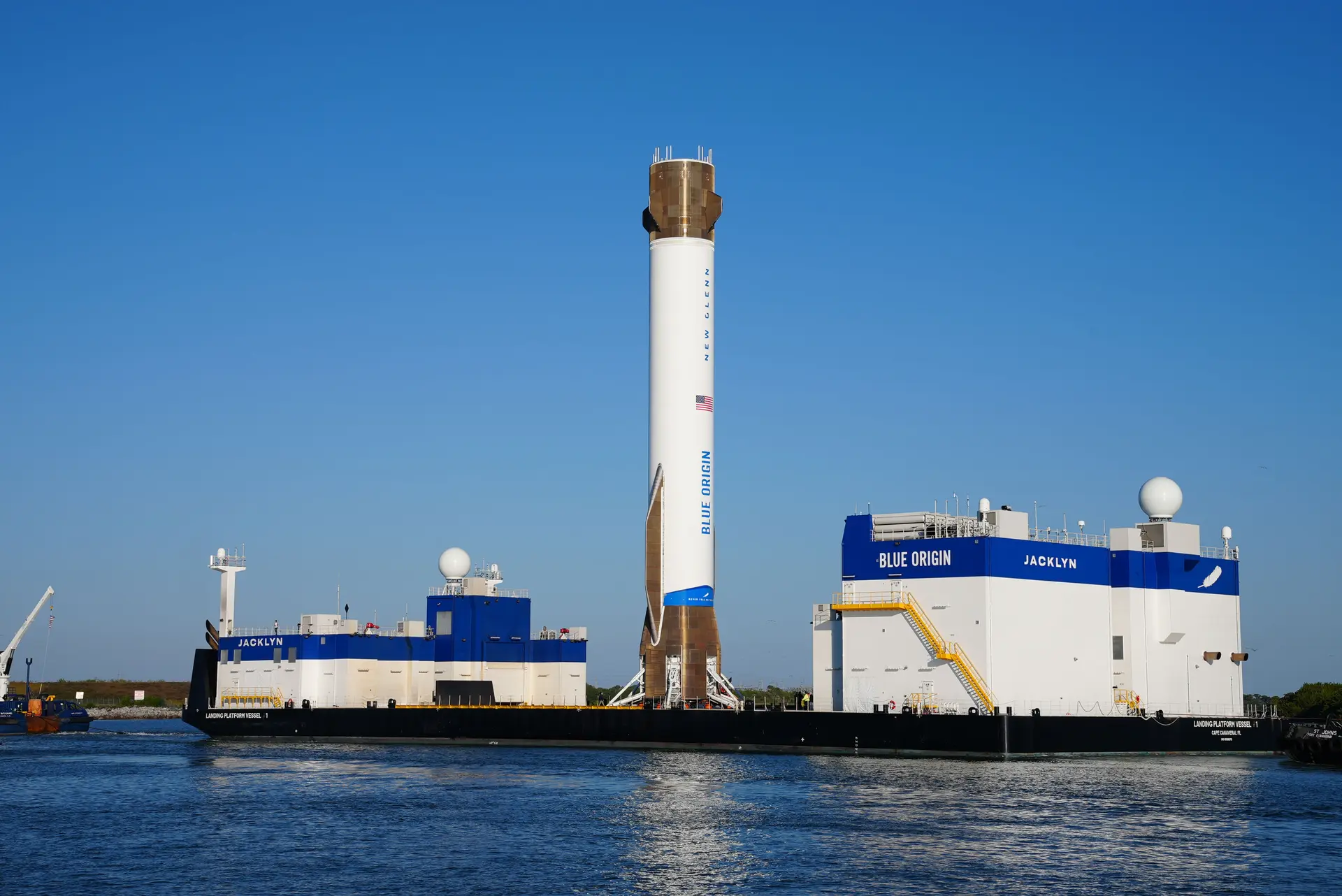
Blue Origin has targeted a launch window opening at 9:30 a.m. EST for its New Shepard NS-37 mission carrying six passengers on a suborbital trajectory. The crew includes aerospace engineer Michi Benthaus, who will become the first wheelchair user to reach space. The automated rocket will cross the Kármán line at 100 kilometers altitude before returning to West Texas.
New Shepard consists of a single-stage booster and pressurized crew capsule capable of accommodating up to six occupants. The vehicle performs vertical takeoff and landing, with the booster reusing components from previous flights. This mission marks the ninth launch of 2025 and the 16th crewed flight overall for the system.
The passenger manifest features a mix of private individuals paying for seats. Benthaus, selected for her engineering background, utilizes a wheelchair due to a mobility impairment. Blue Origin modified the capsule interior to support her participation without altering core flight systems.
The flight profile lasts approximately 11 minutes from liftoff to capsule touchdown. Passengers experience several minutes of weightlessness above the recognized boundary of space. Three parachutes deploy for the capsule’s soft landing, while the booster lands propulsively on a concrete pad.
Blue Origin operates New Shepard under FAA commercial spaceflight regulations. The program has flown 16 crewed missions since 2021, accumulating data on human factors in suborbital conditions. No government payloads are aboard NS-37.
Weather conditions in West Texas remain the primary factor for proceeding. Backup opportunities extend into subsequent days if delays occur. Live coverage begins 90 minutes prior to the window via Blue Origin channels.
This mission expands access to space tourism for individuals with disabilities. Benthaus’s participation demonstrates adaptations possible within existing commercial vehicles. Blue Origin continues scaling operations toward higher flight cadence.
The New Shepard fleet has completed over 30 total flights including uncrewed tests. Reliability metrics show consistent booster recoveries. Future missions may incorporate additional accessibility features based on NS-37 outcomes.
Commercial suborbital providers like Blue Origin and Virgin Galactic compete in the emerging space tourism market. Ticket prices remain undisclosed for most passengers. Industry growth supports NASA’s broader goals for low Earth orbit commercialization.