Starfish Space and Impulse Space Complete Orbital Rendezvous

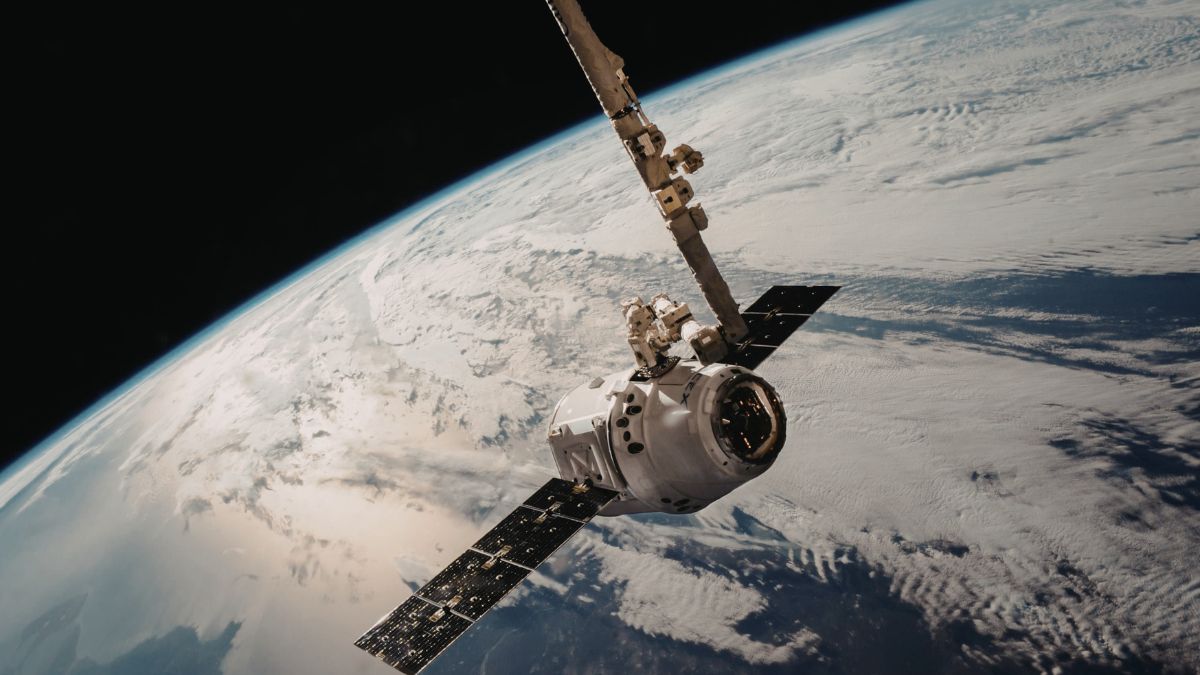
Two private companies achieve the first fully autonomous docking maneuver between independent commercial spacecraft in low Earth orbit. Starfish Space’s ‘Otter’ servicer approached and aligned with Impulse Space’s ‘Mira’ payload carrier without human intervention. The ‘Remora’ demonstration validated proximity operations critical for future in-space servicing and debris removal.
The rendezvous occurred recently following Mira’s deployment earlier in 2025 via a SpaceX Transporter rideshare mission. Otter executed precise navigation using onboard sensors and algorithms to close distance from kilometers to meters. Alignment held for extended periods to simulate inspection and potential attachment.
Starfish Space developed the Otter platform for life extension, refueling, and relocation of satellites. Impulse Space’s Mira serves as a high-energy orbital transfer vehicle for deploying payloads to custom orbits. This collaboration tested real-world compatibility between distinct commercial systems.
The operation relied on relative GPS, optical sensors, and AI-driven guidance for autonomous execution. No ground commands directed the final approach, marking a milestone in robotic space operations. Data collected will inform upgrades for future missions requiring docking.
This success highlights growing capabilities in commercial on-orbit servicing, assembly, and manufacturing. Traditional satellite designs assume no post-launch maintenance, limiting lifespan. Emerging servicers aim to extend operational duration and reduce space debris.
The demonstration paves the way for revenue-generating missions like repairing geostationary communications satellites. Companies including Northrop Grumman and Astroscale pursue similar technologies globally. Regulatory frameworks evolve to support active debris removal initiatives.
Starfish Space plans additional Otter flights to demonstrate magnetic docking mechanisms. Impulse Space prepares further Mira deployments for constellation management. Combined efforts accelerate infrastructure for a sustainable orbital economy.
Private sector advancements reduce reliance on government-led demonstrations for complex maneuvers. This builds on prior NASA programs like Robotic Refueling Mission on the International Space Station. Commercial focus targets cost-effective solutions for operators.
The Remora mission remained undisclosed until completion to prioritize execution. Transparency post-success allows industry-wide learning from flight data. Partnerships like this foster interoperability standards for future multi-vehicle operations.
Orbital rendezvous demands millimeter precision at speeds exceeding 17,000 miles per hour. Autonomous systems mitigate communication delays inherent in ground control. This capability enables responsive servicing in higher orbits.
Industry observers note the achievement positions U.S. companies at the forefront of in-space logistics. Potential applications extend to lunar and deep space missions requiring assembly. Private innovation complements NASA and international efforts in sustainable space utilization.
Starfish and Impulse continue data analysis to refine algorithms for varied scenarios. Upcoming missions will incorporate lessons for robust performance. This milestone signals maturation of technologies essential for expanded human and robotic presence beyond Earth.