US Army Accelerates Drone Production to Counter Ukraine Battlefield Lessons

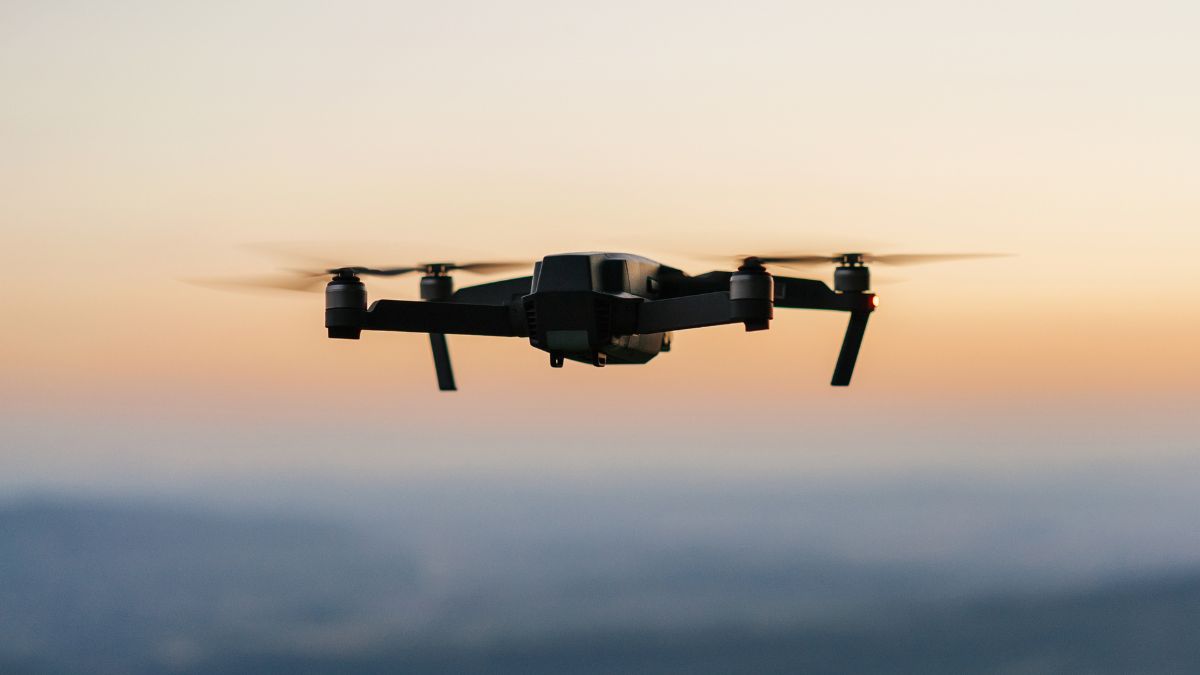
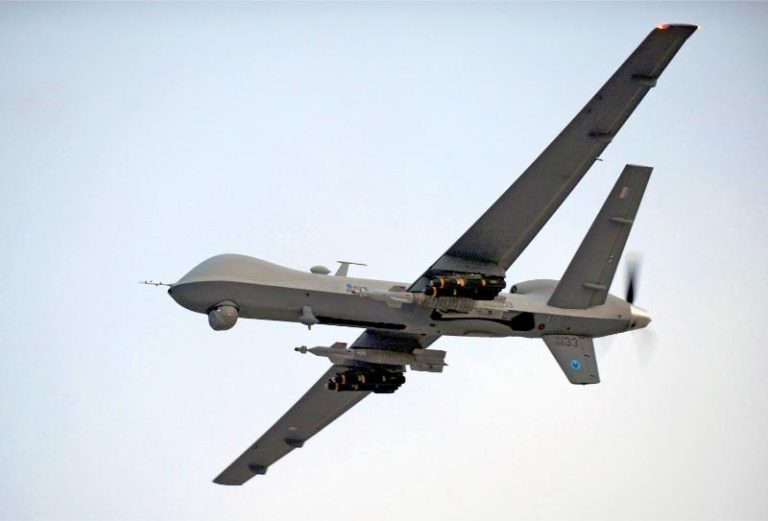
The US Army confronts a stark disparity in drone capabilities after observing Ukraine’s conflict, where inexpensive unmanned systems have neutralized multimillion-dollar tanks and reshaped tactical engagements. Production shortfalls leave American forces trailing adversaries who manufacture millions of units annually, prompting a surge in domestic output and training regimens. This pivot integrates commercial hardware with military doctrine, aiming to field over a million attritable drones by 2028. Officials cite rapid iteration on the front lines as a blueprint for overcoming bureaucratic delays in hardware deployment.
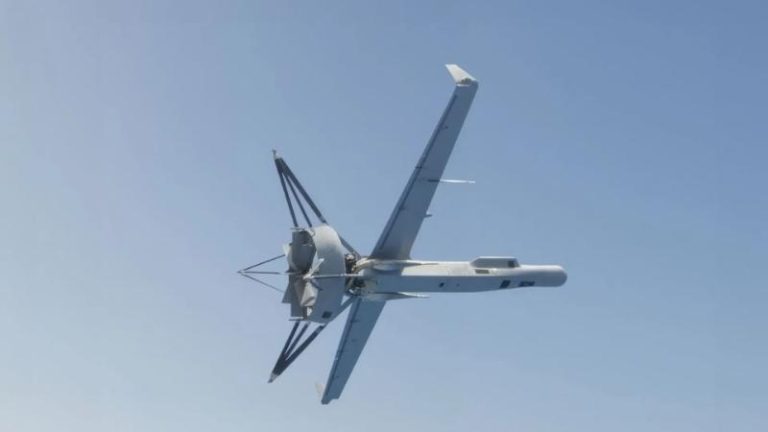
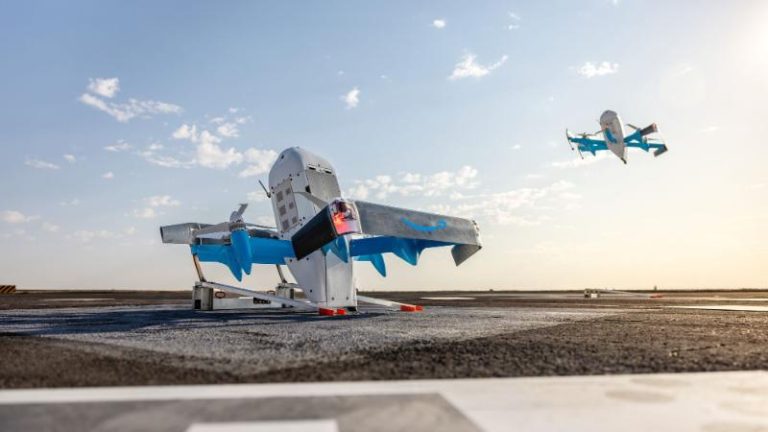
Current US drone manufacturing yields under 100,000 units per year, with roughly half allocated to military use across more than 500 suppliers including Boeing and Northrop Grumman. In contrast, Ukraine and Russia each produce about four million drones annually, while China exceeds 12 million according to defense estimates. The Army’s SkyFoundry initiative transforms existing depots into flexible assembly sites for low-cost, expendable systems using off-the-shelf components like hobbyist propellers and 3D-printed frames. Training models, previously costing between $2,500 and $11,000, now average $740 through simplified designs and increased autonomy via open-source flight controllers.
Ukraine’s experience underscores vulnerabilities in legacy hardware. Since Russia’s 2022 invasion, first-person-view (FPV) drones have rendered armored vehicles like the M1 Abrams ineffective, with operators guiding payloads through windows at speeds up to 100 miles per hour. Ukrainian forces iterate designs weekly, incorporating feedback from field tests to evade electronic jamming, a process Army Secretary Daniel Driscoll described as a “treasure trove” for US adaptation. The conflict demonstrates that small, $500 units outperform precision-guided munitions in saturated environments, forcing defenders to deploy countermeasures like shotgun-armed sentries.
To address these gaps, the Army introduces a dedicated military occupational specialty for drone operators alongside the three-week Unmanned Advanced Lethality Course. This program delivers 24 hours of simulator time plus hands-on FPV practice for groups of 30 soldiers, emphasizing swarm coordination and real-time diagnostics. Each FPV team requires a four-to-one personnel ratio, including an operator, security specialist, equipment handler, and antenna technician, to maintain line-of-sight control amid interference. By 2026, all combat exercises will incorporate drone elements, simulating force-on-force scenarios with live hardware tweaks from embedded contractors.
Defense Secretary Pete Hegseth’s July 2025 directive mandates “unleashing American manufacturing and warfighter ingenuity,” accelerating procurement from concept to field in under 90 days. Soldiers now fabricate prototypes using depot 3D printers and YouTube tutorials, fostering a culture of improvisation akin to Ukraine’s volunteer workshops. Lieutenant General Charles Costanza noted, “We’re behind… War forces innovation,” highlighting the need for tech-savvy troops who troubleshoot mid-mission. This approach counters a decade-long lag in navigation algorithms, battery endurance exceeding 45 minutes, and thermal imaging resolutions above 640×480 pixels.
The expansion targets scalable autonomy, with software stacks enabling group formations for reconnaissance over 10 square kilometers. Hardware baselines include quadcopters with 1.5-kilogram payloads and GPS-denied inertial navigation using MEMS sensors. Budget reallocations, including $500 million from the 2026 defense bill, fund 20 new SkyFoundry nodes, doubling output capacity by mid-2027. Partnerships with startups like Skydio integrate machine vision for obstacle avoidance at velocities up to 60 knots.
Industry ripple effects favor agile suppliers over primes. Venture funding for unmanned systems reached $1.2 billion in Q4 2025, per PitchBook, prioritizing modular kits compatible with MIL-STD-810 environmental standards. Challenges persist in supply chains for lithium-polymer cells, strained by electric vehicle demands, inflating costs 15 percent year-over-year. Regulatory hurdles under FAA Part 107 limit civilian testing airspace, delaying certification for beyond-visual-line-of-sight operations.
This doctrinal shift positions drones as force multipliers in peer conflicts. Projections estimate unmanned systems comprising 40 percent of Army inventories by 2030, up from 15 percent. Success metrics include 95 percent mission completion rates in jammed spectra, validated through Red Flag exercises. As global production races intensify, the US emphasis on hybrid human-machine teams seeks to restore technological overmatch in contested domains.