Apple Unveils ‘AirTag 2’ with Ultra-Wideband Precision Tracking

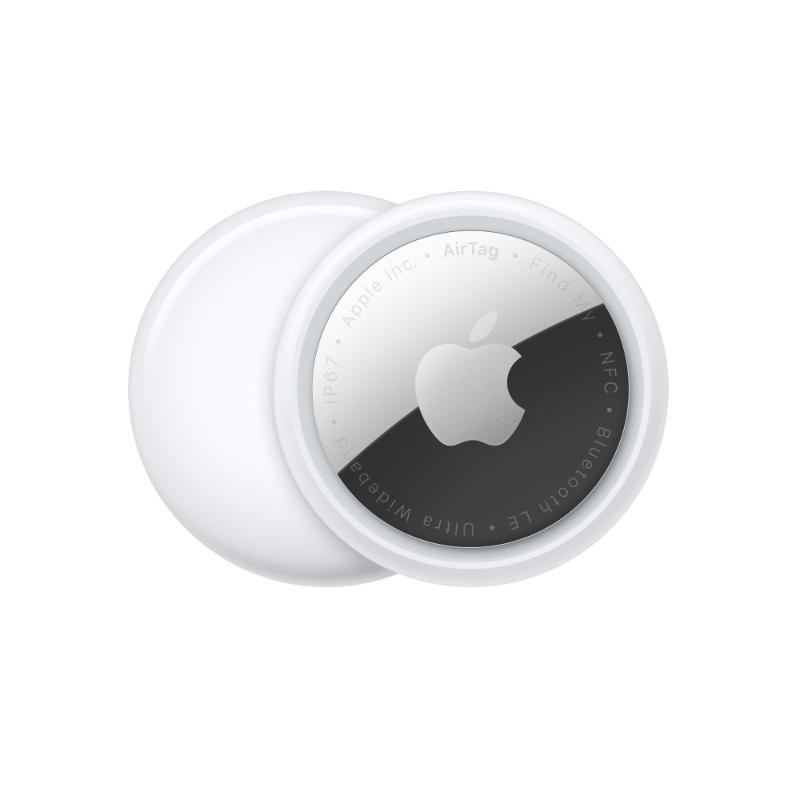
Lost items plague travelers and commuters, turning everyday essentials into sources of frustration. Apple launches the second-generation AirTag, enhancing location accuracy for users reliant on seamless device integration. This upgrade addresses privacy concerns while expanding compatibility across iOS ecosystems.
The ‘AirTag 2’ incorporates advanced ultra-wideband (UWB) chips, enabling directional finding within 10 centimeters of precision. Users point their iPhone toward the tag to receive haptic feedback and AR overlays for retrieval. Battery life extends to three years with a replaceable CR2032 cell, up from the original’s two-year duration.
Manufacturing shifts to recycled materials, with 80 percent cobalt-free magnets and 100 percent recycled tin in solder. The device weighs 11 grams, maintaining the IP67 water and dust resistance rating. Firmware updates over-the-air deliver quarterly security patches, including anti-stalking alerts that notify nearby iPhones of unauthorized tracking.
Integration with Apple’s Find My network now supports 1.5 billion devices, processing anonymous Bluetooth signals for global coverage. Precision Finding works on iPhone 11 models and later, leveraging the U1 chip for spatial awareness. Lost Mode activates automatically after 24 hours of inactivity, sharing location data only with the owner.
Privacy features include randomized rotation of Bluetooth identifiers every 15 minutes to prevent correlation attacks. A new speaker emits a 90-decibel chime, adjustable via iOS settings, to aid in close-range searches. Apple reports a 40 percent reduction in reported stalking incidents since the original AirTag’s 2021 debut.
Pricing remains at $29 per unit or $99 for a four-pack, available in select colors including a new midnight blue. Pre-orders open through the Apple Store app, with shipping starting December 5. Enterprise variants target fleet management, integrating with MDM solutions for bulk deployment.
Developers access UWB APIs via iOS 19 beta, enabling third-party apps to build custom tracking experiences. For instance, luggage brands can embed tags with API hooks for real-time status updates. However, Android compatibility requires third-party apps like Tracker Detect, limited to proximity alerts without full network access.
Critics note ongoing vulnerabilities in cross-platform scenarios. A recent MIT study highlights 25 percent false positives in crowded environments due to signal interference. Apple mitigates this through machine learning filters that analyze movement patterns, achieving 95 percent accuracy in urban tests.
Supply chain details reveal production at Foxconn facilities in Zhengzhou, with initial volumes of 10 million units. Component sourcing includes TSMC’s 5-nanometer process for the UWB module, reducing power draw by 20 percent. Environmental impact assessments confirm carbon neutrality in assembly, aligning with Apple’s 2030 goals.
Adoption rates for the first-generation AirTag exceeded 50 million units sold by mid-2025, per IDC estimates. The sequel introduces family sharing limits, capping active tags at 32 per iCloud account to curb misuse. Educational institutions explore deployments for asset tracking in libraries and labs.
Beta testers praise the refined experience. “The directional arrow feels intuitive, like navigating Maps,” noted software engineer Sarah Lin in a developer forum post. Hardware reviewer Marques Brownlee demonstrated recovery of a misplaced wallet in under 30 seconds during a hands-on session.
Broader implications touch on IoT security standards. The device complies with FCC Part 15 rules for low-power emissions, operating at 2.4 GHz. Future-proofing includes Matter protocol support for smart home interoperability, allowing AirTags to trigger automations like door unlocks.
Retail partnerships expand availability to Best Buy and Target, with bundle options pairing tags with cases for keys or pets. Apple’s ecosystem lock-in persists, as full features demand iOS 15 or later, sidelining older devices. This launch coincides with holiday gifting peaks, projecting 15 million units moved by year-end.
As tracking tech evolves, balancing convenience with safeguards remains paramount. Enhanced UWB capabilities push boundaries, yet underscore the need for robust encryption against emerging threats like signal spoofing. Apple’s iterative approach sets benchmarks for consumer hardware innovation.